The digital signage landscape is evolving at breakneck speed. Businesses today must anticipate LED signage trends in 2026 Australia and beyond to stay competitive. Market analysts forecast the Australian digital signage market will reach around US$1.27 billion by 2030 (growing at 8.7% annually). Globally, digital displays are expected to swell from US$31.7 billion in 2024 to nearly US$47.7 billion by 2030. These figures underline why Australian retailers, venues and brands are investing in brighter, smarter LED displays. Blink Digital helps clients navigate this booming market by recommending future-proof signage solutions tuned to local needs. In this article, we’ll explore the key innovations – from interactive and sensor-driven displays to AR/VR and IoT-connected networks – shaping LED signage through 2026 and beyond.
Australian Market Growth and Future Prospects
Australia’s digital signage sector is booming. According to market research, the local market is expected to reach A$1,273.3 million by 2030, expanding at an 8.7% CAGR between 2025–2030. This growth reflects wider trends: LEDs are replacing static signs in shopping centres, public transport hubs, and corporate environments. Modern LEDs offer exceptional brightness (often visible in daylight), energy efficiency, long lifespans and robust weather resistance. These advantages make them ideal for Australian conditions.
Looking forward, Australian businesses should prepare for ultra-high-resolution and modular LED screens. MicroLED technology, which breaks displays into microscopic RGB pixels, is maturing fast (global MicroLED market projected to grow 77% annually through 2030). MicroLED delivers unmatched color, contrast and thinness, enabling seamless video walls and even transparent or curved LED installations. Blink Digital recommends clients consider scalable LED systems (e.g. tile-based video walls) and stay flexible to integrate future tech like MicroLED or transparent OLEDs as they become viable. This future-orientation helps future-proof signage investments so displays aren’t obsolete after a few years.
Interactive LED Displays: Engaging Customers in Retail (and Beyond)
Interactive displays are moving from nice-to-have to “must-have” in retail and public spaces. Touchscreens, gesture-controlled panels and QR code-enabled posters let customers become active participants. For example, interactive kiosks can provide self-service product exploration, wayfinding, or queue management, lightening staff workload while increasing dwell time. In retail, surveys show that 76% of shoppers enter stores they’ve never visited before because of compelling digital signage, and 68% make purchasing decisions based on content seen on screen. This underscores how well-designed interactive LED signs can drive foot traffic and sales.
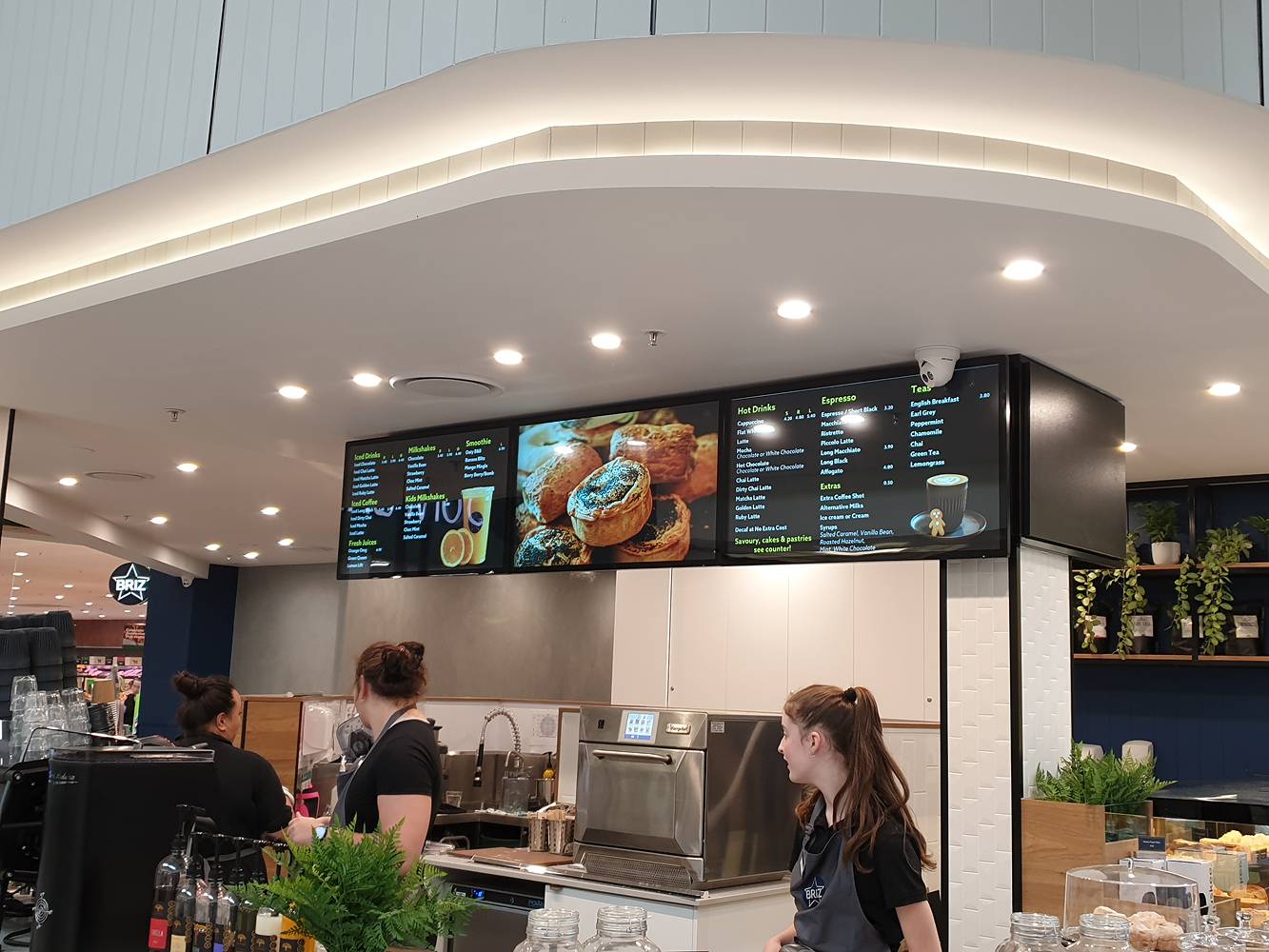
In practice, retail brands are deploying smart touch tables, virtual try-on screens, and game-like experiences. AR-enabled “magic mirrors” allow virtual clothing try-ons, while touchscreen walls let users browse catalogues. Even in quick-service restaurants, touch menu boards are now common. Automotive showrooms also embrace interactivity: large touchscreens can present configuration options for cars, and interactive windows can preview models at night to attract passers-by.
Key benefits of interactive LED signage include: customer empowerment, deeper brand engagement and valuable analytics (e.g. tracking which menu items customers tap on most). Blink Digital integrates interactive tech to ensure that signage is not only eye-catching but also functional. Whether in a flagship retail store or an auto showroom, Blink’s solutions turn passive LED screens into dynamic experiences. As one industry blog notes, “interactive displays allow customers to interact via touchscreens, QR codes, or gestures, boosting engagement with dynamic content”.
- Use Cases: Wayfinding kiosks, digital product catalogues, interactive menus, virtual dressing rooms.
- Future Outlook: Expect more gesture and voice control (see “touch-free” below), and convergence with mobile apps (e.g. scanning a QR code on a screen to save a coupon).
Sensor-Driven and AI-Powered Content
Sensor-driven content is a cutting-edge innovation that makes signage context-aware. By connecting motion detectors, cameras, temperature sensors or even RFID readers to the display, content can adjust in real time. For example, a motion sensor can detect someone approaching and automatically play a video ad, or a camera with facial-recognition (where legal) can gauge audience age/gender and tailor the messaging. Environmental sensors can trigger ads based on weather (show umbrellas when it’s raining), and daylight sensors can optimize brightness for energy saving.
“Sensor-driven content refers to digital signage content that is dynamically adjusted based on data collected from various sensors, enhancing user engagement.”
In practice, this means digital screens no longer show one-size-fits-all content. In a retail setting, floor pressure sensors might detect heavy foot traffic near shoe aisles and switch the nearby display to a special shoe sale promo. After hours, a similar sensor could dim the sign to conserve energy. In outdoor DOOH, cameras might sense crowd density or demographic mix to pick the most relevant ad.
By 2026, we can expect AI-powered dashboards orchestrating sensor inputs across signage networks. AI analytics can optimize scheduling based on patterns, and machine learning can refine content over time. The combination of IoT and AI turns every display into a smart node: one source describes IoT networks that “automate content scheduling”, “enable predictive maintenance” and “integrate external data (weather, POS, ERP) for contextually relevant messaging”. Blink Digital equips clients with the software and sensors to support such schemes: for instance, integrating store traffic data or stock levels to display targeted promotions on specific screens.
Benefits: More personalized advertising, higher engagement (studies show personalized content increases attention by up to 60%), and measurable insights into customer behavior.
- Example: An airport gate display uses proximity sensors and crowd analytics to determine peak travel times and push travel tips or last-minute flight deals to the waiting area.
- Future Outlook: Expect deeper use of AI for content predictions (e.g. billboard swapping ads mid-flight if sensor sees prolonged attention) and more sophisticated computer vision that respects privacy (e.g. anonymous emotion detection).
AR/VR Integration: Immersive Digital Signage Experiences
Augmented Reality (AR) and Virtual Reality (VR) are finding creative uses in signage. In retail, AR can turn product displays into interactive portals. For example, pointing a smartphone at a clothing rack could pop up a virtual model wearing the item, or an AR mirror could overlay jackets and accessories on shoppers virtually. According to industry sources, AR signage “offers new ways to connect, inform, and create memorable store visits” by merging digital content into the physical space. This trend is especially pronounced in lifestyle and cosmetics retail where trying on virtually reduces hesitation and returns.
In automotive showrooms, VR takes the experience further. Forward-looking dealerships provide VR headsets that place the customer “in the driver’s seat” of a car model not physically in the lot. As one demo notes, customers can virtually configure their dream car down to the smallest detail and view it from all angles. This immersive configuration “makes products emotionally tangible” and deepens loyalty. VR also streamlines the sales process: instead of physically stocking every model/configuration, a showroom can show vehicles in VR, updating on the fly to match inventory.
While still emerging, AR/VR integration is part of the “future of LED signage in automotive showrooms”. By 2026, we expect hybrid setups: for instance, an LED wall might display a car exterior that, when tapped or scanned, launches a VR experience. Blink Digital works with auto retailers to incorporate AR-enabled digital labels (QR code stickers on cars) and VR zones alongside their LED screens. This future-proof approach ensures that as XR (extended reality) tech matures, the signage network can plug into it seamlessly.
- Use Cases: AR-enabled storefronts (e.g. digital windows that come alive with animation when visitors approach), VR car configurators, mixed-reality product demos.
- Future Outlook: With devices like AR glasses becoming common, expect more overlay signage experiences (e.g. customers using glasses to see interactive overlays on products throughout a store).
Programmatic Digital Out-of-Home (pDOOH)
Traditional billboard ads are being overtaken by programmatic DOOH (pDOOH) – automated, data-driven OOH advertising. In programmatic DOOH, ad space is bought and sold via software (just like online ads). Content on screens can change on the fly based on real-time conditions. For example, digital billboards might automatically pivot from an umbrella ad to sunscreen ads as soon as a weather sensor detects sun. According to industry analysts, DOOH will account for about 20% of all OOH advertising by 2027, with programmatic DOOH spending hitting roughly US$1.25 billion. In plain terms, digital signage is becoming as agile and measurable as any online channel.
Programmatic DOOH means contextual targeting at scale. Advertisers can specify by time-of-day, location, audience segment or external triggers. A sign near a train station could display breakfast deals in the morning and cafe promotions in the afternoon, switching without manual intervention. Media companies link digital screens to Demand-Side Platforms (DSPs) so that ads bid in real time on available impressions. As one guide explains, “placements can automatically adjust based on live data such as commuter density, event schedules, or environmental triggers”. For businesses, this translates to greater reach and engagement (Nielsen found digital billboards drive 50%+ higher recall than static ones).
Blink Digital’s expertise in signage networks includes integrating programmatic ad platforms. We help clients set up LED displays that can automatically source relevant campaigns, and gather analytics. For example, a retail chain could use programmatic DOOH to run flash sale ads in stores where inventory is high, or an outdoor screen network could sell ad slots dynamically to local businesses during off-peak hours.
- Use Cases: Automated ad rotation on mall videowalls, real-time content swaps (e.g. switching to emergency alerts when needed), integration with social media hashtags or live data feeds (sports scores, stock prices).
- Future Outlook: Expect tighter integration of pDOOH with digital marketing ecosystems. Your LED network could sync with your CRM or loyalty program data, serving personalized deals to known customers passing by.
IoT-Connected Signage Networks
The Internet of Things (IoT) is transforming signage from isolated screens into interconnected ecosystems. An IoT-enabled signage network uses sensors, local controllers and cloud platforms to coordinate content and operations. In practice, this means every sign is an edge device communicating status and receiving updates. As one analysis notes, IoT in signage “integrates multiple hardware and software layers working in sync”, allowing global control of thousands of screens from one dashboard.
Advantages of IoT connectivity include:
- Real-Time Management: Updates pushed instantly to all connected displays, no matter the location (important for multinational brands).
- Predictive Maintenance: Connected sensors can monitor screen health (temperature, power draw, pixel failures). They alert technicians before an outage occurs.
- Data Integration: IoT lets signage pull in external data streams (weather, stock levels, footfall analytics) automatically for relevant messaging.
- Energy Savings: IoT controllers can dim or power-cycle screens based on occupancy, saving power.
For example, a chain of retail stores might use IoT to sync promotions at the start of business hours, and dim displays after hours. Sensors can measure audio or light in each location and adjust volume/brightness remotely. Blink Digital’s signage platforms incorporate IoT best practices: we install secure connectivity (often via 5G or Wi-Fi6) and cloud management software so clients truly reap the benefits. One technology piece explains that with IoT “signage networks can automate content scheduling, enable predictive maintenance, integrate external data sources… and support multi-location control”. These capabilities are the backbone of future-proof signage systems.
- Implementation Tips: Use standardized IoT protocols (MQTT, HTTPS) for security. Group displays logically (by region or store type) so updates target the right screens.
- Future Outlook: IoT + 5G will make even outdoor signage networks fully remote-managed. Blink Digital envisions city-wide signage meshes that adjust messaging for events or emergencies instantaneously (e.g. broadcasting evacuation routes on LED billboards if needed).
Modular and Flexible LED Screen Innovations
LED display technology itself is getting more versatile. Modular LED screens – panels that fit seamlessly edge-to-edge – allow for ultra-large, bezel-less video walls. Unlike traditional LCDs, these LED tiles create one continuous image, ideal for immersive walls or irregular shapes. Meanwhile, flexible and stretchable LEDs enable curved, concave or even cylindrical installations. At ISE 2025, flexible LED panels were highlighted as a top trend, noting they “unlock new creative possibilities” by forming shapes like cubes or waves.
These innovations matter for standout signage. A curved LED facade or an LED “cube” inside a store can draw eyes in ways flat screens can’t. The flexibility also means simpler installation: lightweight, reconfigurable modules can be snapped into different layouts for pop-up events or seasonal campaigns. Analysts note that flexible modules allow “cylindrical, concave, convex, and freeform installations”, bringing together architectural design with digital content.
For businesses, modular LED means future scalability. You can start with a modest video wall and later expand by adding more panels. Blink Digital offers modular LED solutions that support up to 8K/HDR content. For example, a retailer might begin with a single high-res display and grow it into an entire storefront wall as budgets allow. Because modules are standardized, repairs and replacements are easy, and new technologies (e.g. next-gen panels) can slot in alongside legacy ones.
- Notable Features: Seamless image without gaps; fine pixel pitches for close viewing; lightweight cabinets for ease of handling.
- Use Cases: Column wraps, archways, wrap-around counters, or “pillar” displays in showrooms. Some brands even use LED flooring or ceiling tiles now.
- Future Outlook: Expect to see more transparent and 2-sided LED displays (the front and back both show content) in windows and stores, as hardware costs fall. Blink Digital’s team stays on top of these advancements to recommend the right form factor for each client.
Outdoor vs Indoor Evolution: Retail and Automotive Focus
LED signage is adapting differently in outdoor and indoor environments, especially for retailers and auto showrooms:
- Outdoor LED Signage: These are high-brightness, weather-protected displays (often 3000+ nits and IP65+ rated) designed for daylight visibility. The trend is for smart outdoor signs that use AI and IoT (as noted above) to be context-aware. For retailers, this might mean interactive storefront window displays that engage pedestrians even after hours. For automotive dealers, large exterior LED panels can show rotating car models, videos or welcome messages. Blink Digital’s outdoor LED installations in Sydney are built with anti-glare glass and remote monitoring, so they stay vivid under the harsh sun and can be managed from any location.
- Indoor LED Signage: Inside stores and showrooms, LED walls and kiosks have more flexibility (no need for thousands of nits). Indoor trends focus on experiential and modular displays. Retailers are using LED walls as dynamic backdrops (e.g. behind cashiers or on feature walls). They also embed small transparent LEDs in glass shelves or windows for a “floating image” effect. In showrooms, expect integrated systems: large touchtables, digital price labelers, and LED touch-walls that link to inventory databases (as shown by connected showroom concepts).
In both contexts, analytics is key. Indoor screens often tie into point-of-sale and footfall sensors. For instance, a retail shop might use LED screens above aisles that recognize which zone a shopper is in (via infrared or Bluetooth beacons) and play aisle-specific ads. Automotive showrooms often use LED signage to sync with CRM systems, greeting customers by name or showing tailored finance options when a known customer walks in.
Key takeaways for retail and automotive clients: Embrace omnichannel signage. Retail signboards should not just push promotions, but connect to online campaigns (e.g. a QR code on screen taking customers to an e-commerce page). Automotive dealers should combine LED displays with virtual test drives and digital shelf labels to create a seamless journey from online research to in-person buying. Blink Digital helps clients design such integrated strategies. Our solutions tie signage content to loyalty programs and inventory management, ensuring screens always complement the shopper’s path.
Future-Proofing LED Signage Investments
With technology changing fast, businesses need strategies to future-proof their signage investments. Key recommendations include:
- Choose Scalable Hardware: Opt for modular displays and open-standard players that can be upgraded. Blink Digital’s signage platforms use industry-standard CMS (content management systems) and allow adding screens or new features without replacing everything.
- Cloud-based Management: Rather than local PCs, use cloud signage software so updates and monitoring happen centrally. Cloud solutions let you push campaigns worldwide instantly.
- Data Integration: Plan integrations now. Whether linking to inventory systems, customer apps, or IoT sensors, ensure the signage software supports APIs. This way, new data-driven features (like programmatic ads or personalized content) can be activated later.
- Energy and Maintenance: LEDs are efficient, but always calculate total cost. Use energy-management features (auto-dimming, schedule on/off) and track performance via IoT health metrics. Blink Digital includes such analytics in its solutions to minimize downtime and power use.
- Flexible Content: Prepare content templates and dynamic media that can easily swap out. In-house or agency teams should be trained on the CMS so creative updates are swift.
Ultimately, the goal is a signage ecosystem, not a one-off screen. By collaborating with a forward-thinking partner like Blink Digital, businesses can ensure their LED signage grows with their needs. Blink Digital stays on the cutting edge (for example, monitoring developments in generative AI for content creation) and can guide clients through each evolution.
Partnering with Blink Digital: Your Strategic Signage Advisor
Blink Digital is committed to keeping Australian businesses ahead of the curve. As a local signage integrator and digital solutions provider, Blink Digital offers:
- Expert Consultation: Our team analyses your environment (retail store, campus, outdoor site) and recommends signage tech aligned with upcoming trends (interactive touch, IoT sensors, AR/VR readiness, etc.).
- Solution Design: We source the latest LED hardware (including flexible panels and high-res modules) and configure them into networks tailored to your space.
- Content & Software: Blink Digital helps develop engaging content strategies (from programmatic DOOH campaigns to interactive touchscreen apps) and provides a robust CMS for scheduling and analytics.
- Ongoing Support: As trends evolve, Blink Digital stays by your side – updating systems, adding new capabilities, and ensuring your signage remains a long-term asset.
By partnering with Blink Digital, clients gain a future-proof roadmap for their signage. Whether rolling out interactive displays across retail outlets or building a connected outdoor LED network for a city precinct, we translate vision into reality.
In the race to captivate audiences with digital displays, Blink Digital positions your brand at the forefront. Our experience means you won’t just follow the trends – you’ll help set them.
Ready to transform your signage for 2026 and beyond? Contact Blink Digital today for expert advice on interactive, sensor-driven, modular or IoT-connected LED solutions. Our team is here to answer your questions, conduct demos, and design a signage strategy that drives engagement and ROI. Let Blink Digital be your partner in staying ahead of the curve.