
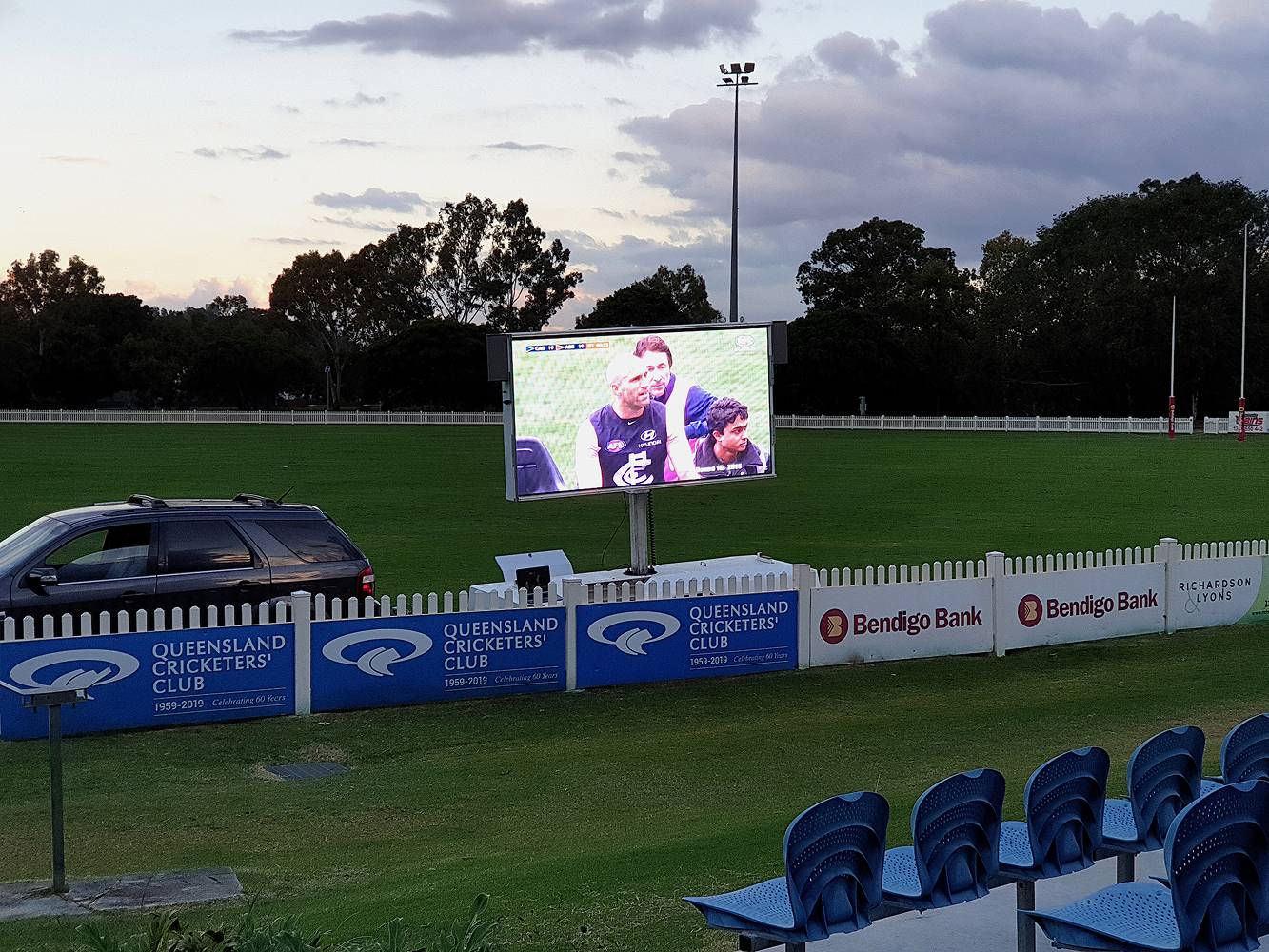
When your business heads to a trade show, expo, market or pop-up event, every visual detail counts. Event signage is not just decoration – it’s a key part of your brand presentation and customer experience. The right kit ensures that passers-by immediately recognise your brand, understand your offering, and feel guided through your booth or pop-up space. Unlike permanent shopfront signs, event signage must be portable, quick to assemble, and durable across repeated use. This guide (in Australian English) walks you through building a practical event signage kit, from minimalist booth setups to full brand presences, including transport and setup considerations. Blink Digital can help you design, print and supply all the items you need – from banner flags to branded table cloths – so you stand out at any event.
Why event signage matters (and is different)
At an event or market, competition for attention is fierce. Visitors often have just seconds to notice you among dozens of other stalls. Portable business signage must do heavy lifting: capture attention, communicate your brand identity, and direct foot traffic through your space. According to signage experts, legibility is crucial – a clear, easy-to-read sign with your business name and key info can make people stop. A small business checklist, for example, advises packing “clear, easy-to-read signs with your business name, product prices, and payment policies” to attract customers.
Another difference from permanent signage is that event signs must set up and pack down quickly, often by a solo exhibitor. Displays should be lightweight and come with travel cases. For example, pull-up banners and pop-up stands typically come with padded carry bags, A-frames fold flat, and even heavy-duty exhibit graphics can break down into lightweight frames. The goal is to have a “smooth experience from point A to point B”: professional shipping guides note that proper packing must protect your items and make unloading and setup as straightforward as possible. Blink Digital’s range of portable signage – like roll-up banners and flags – is designed to balance durability with quick assembly, so you spend minutes (not hours) on setup at the event.
Building your essential event signage kit
A comprehensive event signage pack can include:
- Banner flags (feather or teardrop flags): Tall, eye-catching flags on a vertical pole with a base. They are portable and help attract attention from a distance. (Tip: use a water-filled or sandbag base outdoors to anchor them.)
- Pull-up banners (retractable stands): Vertical banners on an automatic spring base. Easy to carry in a shoulder bag, one person can assemble them in seconds. Great for bold branding or listing key products/features at eye level.
- Vinyl banners: Large-format printed banners in PVC or mesh. Can display behind your booth or hang from fences. Good for big bold messaging (sale, logo, visuals). Outdoor banners may need grommets and extra ties. PVC banners are durable and weatherproof.
- Corflute signs: Corrugated plastic signs, often with stakes. Ideal for cheap directional arrows or temporary info signs. They are lightweight and water-resistant, making them one of the “most popular choices for temporary signage” like event signs or real estate signs.
- A-Frame signs (sandwich boards): Freestanding double-sided boards, usually with printed panels or slots for changeable inserts. Perfect for placing on sidewalks or in busy walkways in front of your stall. A-frames are “portable and easy to move” and effective in busy areas.
- Branded table graphics: Custom printed table cloths or runners with your logo/graphics. A table cover can turn a basic trestle table into a polished brand display. As one signage supplier explains, “custom printed table cloths designed for exhibitions, trade shows, corporate events and retail activations… enhance your presentation while reinforcing your company identity”.
- Directional signage and booth labels: Small directional arrows, pole signs or counter signs. Use A-frame arrows or corflute arrow stakes to guide people (e.g. “Entrance this way” or pointing to special demos). Also include clearly labeled counters or product areas. Even floor decals or rope stanchions with branded signs can help guide flow.
- Other items: Stickers and decals (for product labels or giveaways), foamboard posters, pop-up counter stands, and banner poles for hanging displays. Also consider portable charging signage (like a sign offering “phone charging station” if applicable).
Arrange your kit by priority: what do visitors see first? Typically, roadside flags or sidewalk A-frames and main banners come first, followed by backdrop or table signage once they enter your space. Blink Digital can supply all these items, tailored to suit small markets or large expo halls alike.
Planning Your Event Signage Layout: How to Make Your Booth Easy to Navigate
One of the most overlooked aspects of event signage is how visitors actually move through your space. Many businesses focus on printing banners and displays, but they do not always think about the layout and flow once a customer stops at their booth or pop-up shop. The most successful event setups guide visitors naturally from first glance to conversation, using signage to direct attention and communicate key messages step by step.
When someone walks past your stall at a market, trade show or expo, the first piece of signage they usually notice is something tall and visible from a distance. This is where banner flags, large pull-up displays, or hanging banners work best. Their purpose is not to explain everything about your business — instead, they should simply help people recognise who you are and what you offer within a few seconds.
Once someone approaches your space, the next layer of signage should provide clear context and reassurance. Visitors should immediately understand what your business does and why they should stop. This is where well-designed pull-up banners, backdrop displays, or branded table graphics become important. These signs often sit behind or beside your staff, reinforcing your brand identity while allowing customers to read key information without feeling overwhelmed.
Directional signage can also play a surprisingly important role at events, particularly in larger venues or outdoor markets where stalls may be crowded together. Simple arrow signs, small corflute panels, or A-frame boards can help guide people toward demonstrations, special offers, or entry points to your booth. For example, if you are running a product demonstration or sampling station, a sign that reads “Live Demo Here” or “Try It Today” can quickly direct attention and encourage engagement.
Another important consideration is eye-level messaging. Most people absorb information most easily when signage is positioned between waist height and eye level. This is why pull-up banners, A-frames, and tabletop displays are so effective. Signs placed too high can be difficult to read, while signs too low may be missed entirely when a venue becomes crowded.
Consistency across signage is also essential. Visitors should be able to recognise your brand instantly across every item in your display. This means using the same logo, colours, fonts and visual style on your banner flags, table graphics, stickers, and promotional signs. When signage is consistent, your booth looks professional and cohesive rather than like a collection of unrelated pieces.
Businesses attending multiple events throughout the year also benefit from thinking about modular signage layouts. Instead of designing everything for one specific booth size, consider signage that can be rearranged depending on the space available. A pull-up banner might be positioned beside a table at a small market, but used as a backdrop at a larger expo. Banner flags can be used outdoors at festivals but replaced with indoor banners at trade shows. This flexibility allows the same signage kit to work across many different environments.
Working with an experienced signage provider like Blink Digital can make this planning process much easier. Instead of simply printing individual items, the team can help businesses think about how every sign fits together as part of a complete event display. From banner flags that attract attention from across the venue to tabletop signage that reinforces your message during conversations, the right combination of signage helps transform a basic stall into a professional brand presence.
With the right layout and signage strategy in place, your booth becomes more than just a place to stand — it becomes a clear, inviting space that draws people in, communicates your value quickly, and encourages meaningful interactions with potential customers.
Portability, setup and transport
Good event signage must be easy to carry and fast to put up. Modern trade-show displays are designed for mobility and speed: “portable displays… can be easily transported, assembled, and relocated, making them ideal for a variety of events, such as trade shows, expos, or sales presentations”. For example:
- Pull-up banners come in slim pull-out bases and pack into padded carry bags. To set up, you simply pull up the banner graphic and click it onto a support pole. It takes a few seconds with no tools.
- Pop-up stands and fabric backdrops often have collapsible aluminum frames with magnetic or snap connections. They fold down like pop-up tents and usually also come with travel cases with wheels.
- Banner flags typically include a base (ground spike for grass, or X-base for hard ground) and the feather/teardrop sail. Each part is lightweight – bases sometimes come with water bags to add weight, and the flag itself is polyester. Many setups allow you to insert the base and then slide the flag on. Experienced exhibitors can erect a flag in a minute or two. (A tip: use a tool kit with an adjustable spanner for tightening any wingnuts, but most flag kits are hand-tightened.)
- A-frames and corflute signs can be folded: A-frames usually hinge open, and corflute panels are simply slipped into the frame. These pack flat for transport.
- Table covers drape over the table and tuck or velcro underneath. A logo-printed cloth takes about 1–2 minutes to arrange neatly.
- Other items: table-top literature stands and small posters should also be packed so they don’t get bent (e.g. in a flat folder or tube).
For transport, it helps to label each piece and keep hardware (screws, spikes, connectors) together. If shipping to a venue, consider padded travel cases or crates for delicate frames. An expert booth shipping guide stresses that your packing must make “unloading and setup as straightforward as possible”. In practice, this means organizing your kit so you can access similar items together (e.g. all banners in one bag, stands in another), and always bringing extension cords or batteries if your signs have lighting or digital screens. Blink Digital can advise on the best travel cases and protective wrapping for your signage, ensuring items arrive safe and setup goes smoothly.
Materials, weather and durability
Events can be dusty, rainy or windy. Your signage materials should match the conditions. Use high-quality outdoor materials for any item that might face the elements. For instance, vinyl banners (PVC) are a top choice for weather resistance – they’re printed with UV-protected inks so they won’t fade in sun. Mesh banners (vinyl with tiny holes) are even better in high-wind situations, because “small holes in the material allow wind to pass through… preserving the integrity of your sign”. The BannerBuzz guide notes that heavy-duty vinyl (e.g. 16 oz) is recommended if you expect strong gusts, and advises taking banners down in a hurricane or severe weather..
For feather flags, use sturdy bases: a metal X-base with a sandbag or water bag is ideal for outdoor fairs. A spike base can be used on grass, but ensure it’s fully driven in. Signs Plus recommends using the water bag on the X-base when outdoors without inserting a ground spike, especially in wind. Also, always bring flags in during strong winds or heavy rain – one banner maker explicitly advises: “to extend the life of your flag bring it in when strong winds are predicted… bring it in at night”.
In any case, plan for durability: 68% of consumers say sign quality reflects your brand’s quality. That statistic is a reminder that tattered, faded, or broken signage can hurt credibility. So choose robust materials and do basic maintenance: wipe down banners after a dusty outdoor event, replace bent poles, and inspect graphics for rips. Blink Digital prints signage on industry-grade materials (UV inks on heavy vinyl, laminated corflute, etc.) to ensure your investment lasts for many events.
Event signage checklist (before and during the event)
Preparation is key. Use this checklist to make sure you don’t forget anything:
- Design and proof all artwork in advance. Check legibility at distance: large logos, high contrast colours, and minimal text are best for quick reads.
- Gather portable display hardware: test that retractable stands open properly, flag poles fit, and tablecloths match your table size. Ensure you have tools (allen keys, spanners) if any assembly is needed.
- Pack adaptors and weights: For outdoor use, bring weight bags or sandbags for flags and A-frames (if legally allowed). Check that all connectors and ropes are in good condition.
- Plan for wind and weather: If forecasting wind, bring heavier bases or consider using mesh banners. As noted, plan to take down wind-prone items in severe conditions.
- Check booth power and lighting: If you have lit displays or screens, pack extension cords, power boards and clip-on lamps. Ensure cords are safely taped down to avoid trip hazards.
- Backup materials: Pack spare tape, zip ties, clips, or velcro strips. If possible, bring a backup printed banner or poster in case one is damaged or stolen.
- Clear instructions: If others will help you, label cases with what’s inside. Keep your signage inventory list handy to double-check each piece (e.g. “2 x pull-up banners, 3 x feather flags, 1 x printed tablecloth”).
Finally, at the booth, always attach your brand name/logo and a call-to-action on visible signs. A look at craft fair tips shows that “promotional materials and signage” should convey your brand memorably. In short, be bold and clear on what you offer. Blink Digital can assist by reviewing your designs to ensure they’re eye-catching and print-ready.
Minimum event kit vs Full brand presence
What you bring depends on your size and goals.
-
Minimum Event Kit (small operator): For a solo vendor or small pop-up, prioritize essentials:
- Branded tablecloth (or table runner) for any demo table.
- 1-2 pull-up banners with core branding (logo and tagline or top products).
- 1 A-frame sign outside booth (double-sided) announcing your shop or a hero offer.
- A small feather flag if space allows (helps catch eyes).
- Directional arrow signs (corflute arrows with stake) if you’re in a big hall or corner site.
- Printed materials: business cards, brochures, and a price list or menu board.
- Stall essentials: a cash tray, QR code sign for social/follow, and a visible “Now Open” or branded welcome sign.
- Shipping gear: a trolley or wagon (foldable) to easily move your packed gear to the car.
This “core kit” keeps setup minimal but professional. Many small vendors succeed with just a well-printed table cover, one or two banner stands, and clear pricing signs.
-
Full Brand Presence (larger exhibitor): A bigger booth or multi-person team can layer on the extras:
- Multiple banner stands or a large pop-up backdrop (fabric display or tension frame) as a branded wall.
- Several feather flags around the booth perimeter for 360° visibility.
- Double A-frames to flank entries or product demo areas.
- An electronics demo station with a small sign (e.g. “Live Demo Here!”) if relevant.
- Branded table graphics: besides a tablecloth, add counter-height displays or a branded lectern (like a podium cover with logo).
- Extra signage: product banners (list features), wall frames with quotes or testimonials, and even floor decals.
- Possibly digital signage: if fitting your budget, small digital screens on stands (Blink Digital offers LED screens) to cycle visuals.
- Swag and giveaways: place branded stickers and stickers or small freebies with your logo out. A good display box is a sign in itself.
- Technical equipment: if live presentations, ensure you have mics or PA, which also requires signage (like “Workshop at 2pm”).
- Staff apparel: matching branded shirts or name tags, which complete the cohesive look.
In short, a full setup uses layered branding: large-format displays for impact, plus smaller items for detail. The key is consistency across materials so your brand identity (colours, fonts, logo) matches everywhere. Blink Digital can be your one-stop partner for all these elements, providing advice and manufacturing so every piece – from sticker to banner – fits your new brand style.
Design and content best practices
Even the perfect kit fails if it’s poorly designed. Keep signage simple and on-brand:
- Hierarchy of messages: On each sign, make your logo and core message largest. For example, on a banner flag use your logo and perhaps an event-specific message (“Summer Market 2026”) rather than cluttering it with small text. On a table sign, put your value proposition (“100% Organic Teas”) in 48+ pt font if you can.
- Readability: Use high contrast (dark text on light background or vice versa). One trade-show tip: use large fonts and avoid all-caps for long text. (As Shopify puts it, clear signs with big text attract customers.)
- Colour consistency: Apply your brand colours consistently across all materials. A mismatch stands out — not positively. For example, if your brand is green and white, don’t use a yellow tablecloth; use your green.
- Keep it uncluttered: Only include essential info. At a glance, visitors should see who you are, what you sell, and how to contact you. Save detailed info for brochures or your website/QR code.
- Promotional messaging: If you have a special offer or introduction discount, include it on key signs (e.g. “Trade Show Special: 20% Off” on your A-frame). But don’t overwhelm; one sign should focus on one message.
- Interactive elements: Consider adding a QR code on a sign for email signups, or using directional arrows as part of your signage to playfully lead people to your booth. Just ensure they are weather-proof and securely attached.
For each design element, proof carefully. Spot-check that text isn’t cut off by print edges, and consider gloss vs matte finishes based on lighting. Blink Digital offers design and file-prep guidance (e.g. bleed and safe margins) to avoid reprints, making sure your signage looks sharp under event lights.
Packing down, reusing and sustainable practices
After the event, proper pack-down matters too. Roll banners carefully to avoid creases, fold frames per instructions, and wipe down surfaces. Store everything in a dry place. Well-maintained signage can be reused for years, especially premium materials like printed fabric or aluminum signboards. Since outdoor elements degrade signage over time, keep replacements on hand for fast-changing items (e.g. corflute can fade or crack, so it’s often used for short-term).
Consider sustainability: many event signs use laminated or PVC materials. Check if eco-options are available (e.g. PET fabrics or recycled plastics). If you replace old corflute signs, ask if your printer recycles them. Blink Digital can advise on greener choices (like recyclable fabrics or PVC alternatives) and safe disposal of old signage.
Contact Blink Digital for your event signage needs
Whether you’re a weekend market vendor or a national expos exhibitor, Blink Digital can help you plan and produce the perfect signage kit. We offer a full range of event-ready sign products – from banner flags and A-frame sidewalk signs to pull-up banners, tablecloths, stickers, vinyl banners, and directional corflute signs. You can rely on our expertise to match signage to your business goals, and deliver high-quality prints that endure.
For guidance on creating a portable, high-impact signage pack for your next event, contact Blink Digital. We’ll work with you to tailor your event signage ideas into reality, ensuring your presence at expos, pop-up shops or community markets is professional and memorable.
- Phone: 0424 505 990 (sales and quotes)
- Email: info@blinkdigital.com.au
- Visit: Unit 1/11 Hinkler Ct, Brendale QLD 4500
Let Blink Digital be your partner in portable branding – from the smallest markets to the biggest trade shows, we’ve got the portable business signage solutions to make your event a success.


