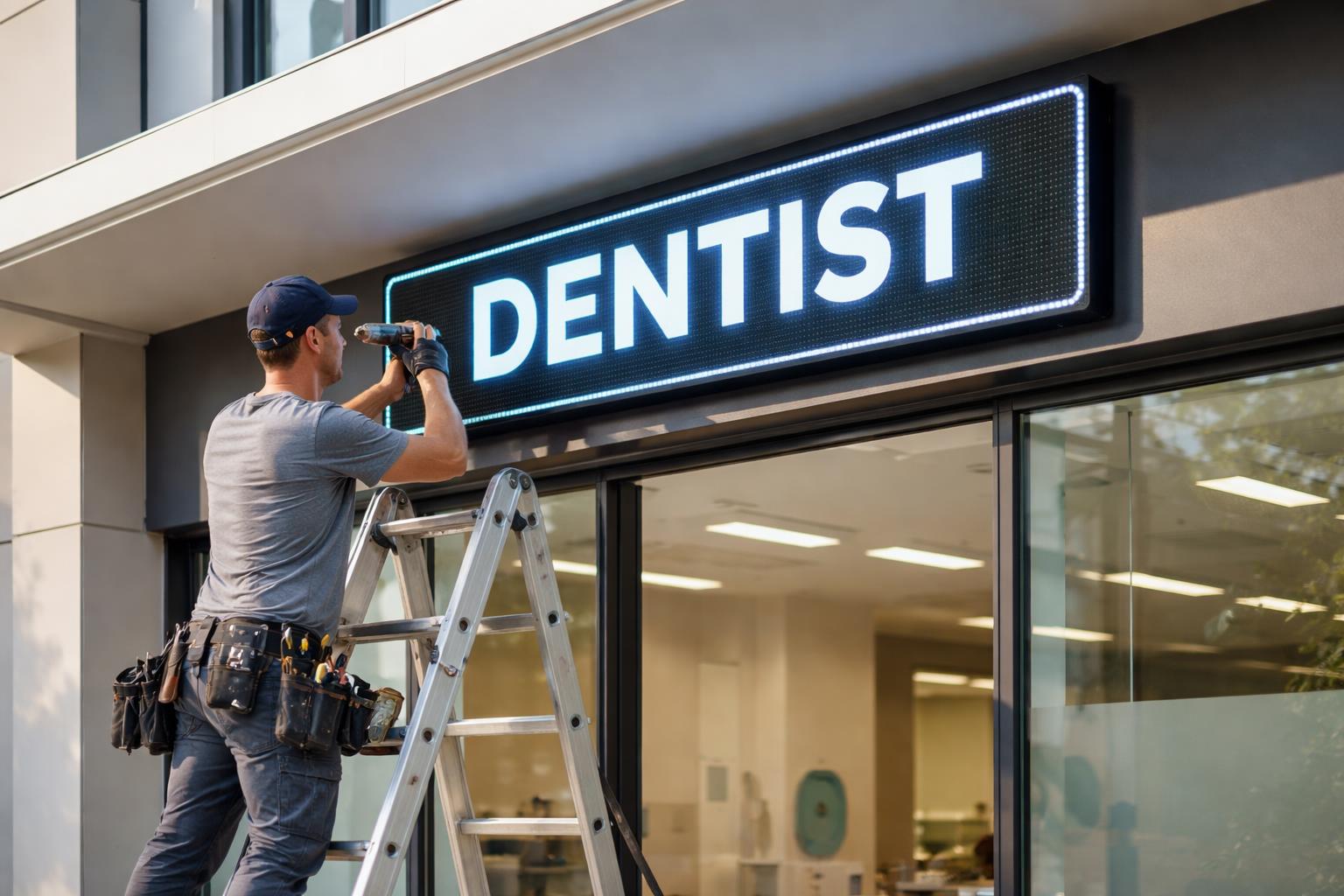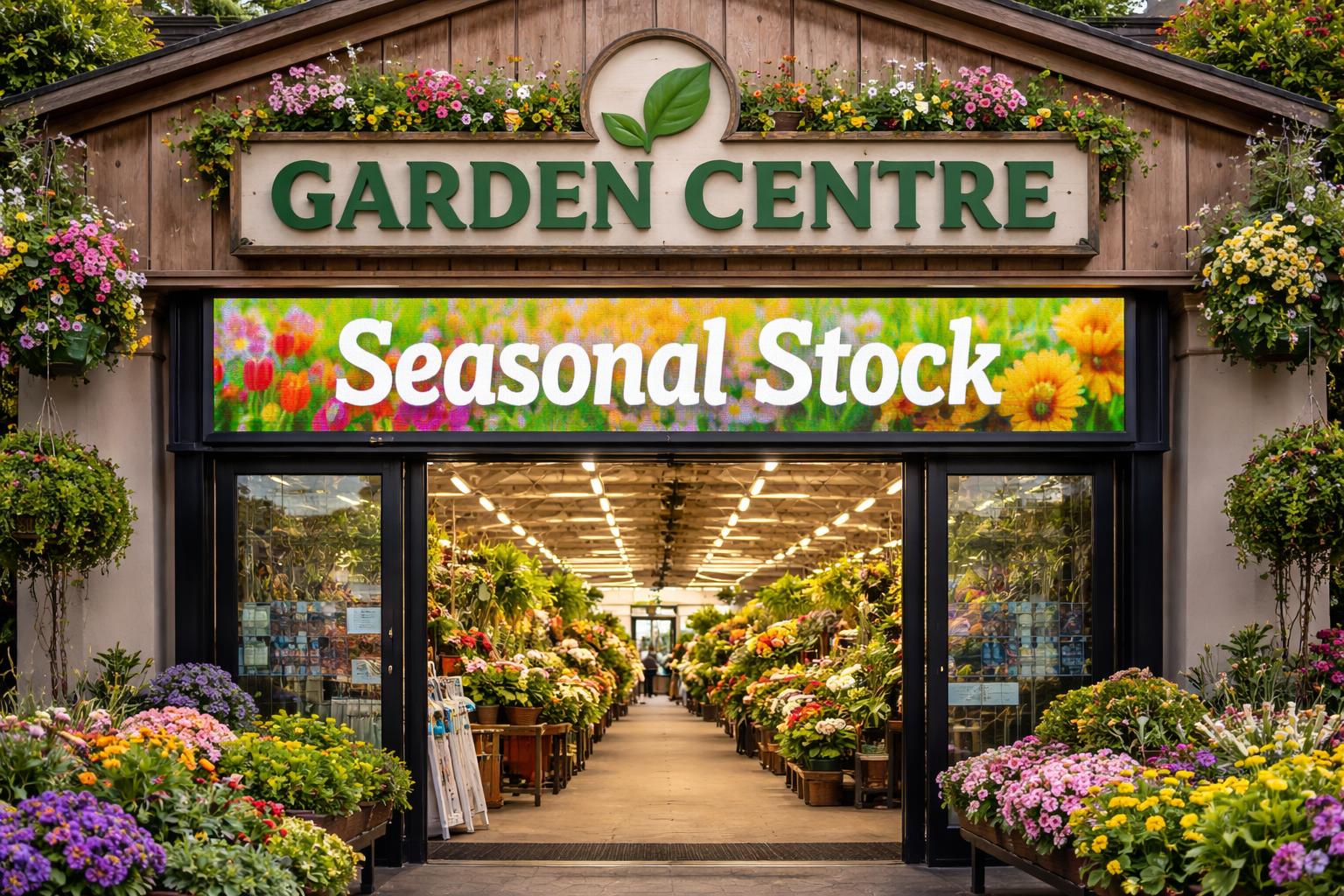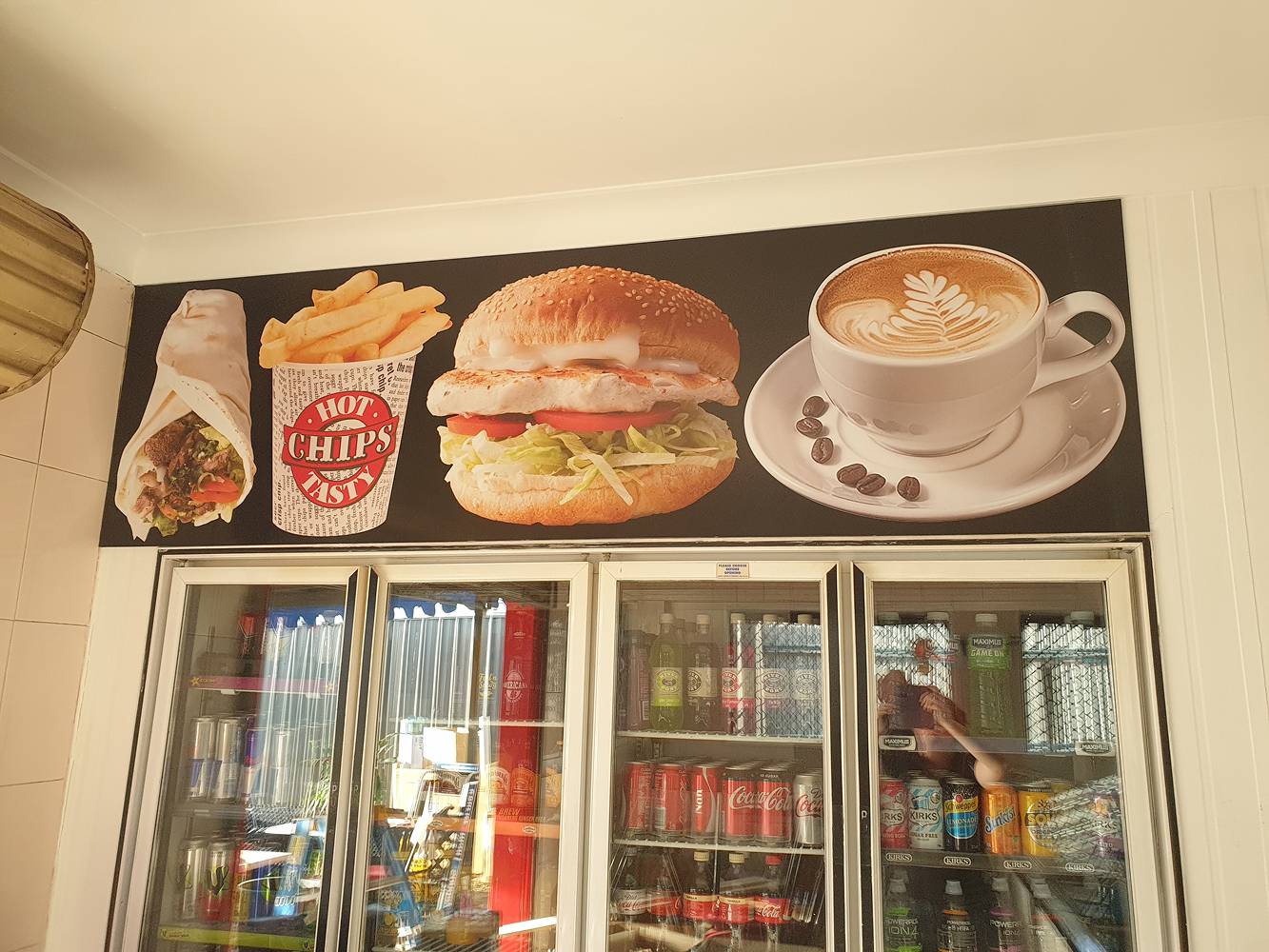
When a customer walks into your business for the first time, every detail they see shapes their perception of your brand. Signage in reception and other internal areas is often the very first visual cue inside a business, and it carries powerful messages. Well-designed interior branding signage can communicate professionalism, reinforce your brand identity, and make visitors feel welcome and confident. As one industry expert notes, signage “often serves as the first point of contact” for visitors entering an establishment. In practical terms, this means your reception sign, wall graphics and decorative features should visually tell your brand story and set the tone, right from the moment someone steps through the door.
In short, effective interior signage is an investment in trust. Clean, bold signs send a message of quality and attention-to-detail, while cramped or outdated signs can undermine credibility. As a signage specialist observes: “A well-designed sign can communicate professionalism, trustworthiness, and attention to detail”. Conversely, poor signage may lead customers to doubt your business. Research shows that consumers quickly form impressions based on visual cues – and signs are among the most prominent cues inside an office or store. In other words, your interior signs don’t just decorate the space; they convey your brand’s values and reassure visitors that they’re in the right place.
By getting your interior branding right, you not only make a great first impression — you guide visitors naturally through your space and build confidence along the way. In the following sections we’ll look at how various types of interior signs – from the main reception sign to creative wall graphics and illuminated features – all work together to strengthen your brand and improve the customer experience. Wherever you are in Australia, Blink Digital can help design, produce and install the right signs to keep your internal spaces looking sharp and on-brand.
Why Interior Signage Matters: First Impressions and Trust
It’s easy to overlook, but interior signage plays a critical role in shaping customer perception. Many businesses focus on flashy shopfront signs or outdoor ads, yet once a visitor enters, the signs inside become the new touchpoints. In fact, interior signage often makes just as big an impact as exterior signage, because it’s what visitors encounter when the decision to engage has already been made. As one signage expert puts it, “Interior signage is often the first interaction a customer has with your brand when they enter your space”. That interaction—whether it’s a branded logo on a reception wall or a directory sign in a lobby—sends a signal about who you are and how you do business.
Consider the way customers react to different signage styles. A polished metal logo on the reception wall, backlit by warm LED lighting, immediately signals quality and attention to detail. On the other hand, a faded vinyl sticker or handwritten sign can raise doubts. According to industry research, “Clean, bold, and professionally made signs promote a sense of order, trust, and professionalism,” while “neglected, outdated, or unprofessional signage may lead customers to perceive a business as careless, low-quality, or even untrustworthy”. In other words, every sign is a statement about your brand’s reliability.
Good interior signage also works hard to build trust right from the start. Clear, well-made signs show customers that your business cares about the details. They reinforce brand consistency by using familiar colours, logos and fonts throughout the interior. Experts note that “consistent use of your brand’s colors and logo across all signage reinforces your identity,” and that clear, legible signs demonstrate attention to detail. In practical terms, this means having your reception sign use the same fonts and colour palette as your exterior sign, and ensuring directional signs, wall graphics and lobby menus all feel like part of one cohesive design. This consistency helps visitors feel they’ve made a smart choice to enter your space.
Importantly, interior signage doesn’t just inform—it invites. Warm, welcoming messages or eye-catching graphics can reduce anxiety for first-time visitors. Inspirational quotes or branded imagery can make the space feel immersive and memorable. One review of internal signage design stresses that using logos, mission statements, and even motivational quotes on walls “can transform a mundane space into a memorable one, making a lasting impression on visitors and creating a positive atmosphere for employees”. In practice, a striking wall mural or an illuminated slogan in the reception can set the mood immediately. All of these details send a powerful message: you’ve thought about the customer experience, you stand by your brand, and your services are credible.
At Blink Digital, we understand that interior signage is a strategic tool – not just an afterthought. Investing in high-quality signs helps you leave a great first impression and makes every customer interaction smoother. Whether you need a bold logo sign behind the reception desk, stylish wayfinding, or inspiring wall graphics, the result is the same: an environment that feels professional, on-message, and confidently branded.
Reception Signage: The First Handshake
The reception or lobby sign is often called the “handshake” of a business. It’s the first thing people see when they arrive inside, so it must create instant impact and clarity. A great reception sign not only displays your logo or name but does so in a way that feels appropriate to your brand. For example, a law firm might choose elegant brushed-metal letters on a crisp white wall, while a gym or creative studio might go for a bold 3D neon logo with bright colours. The key is that it looks premium and on-brand, because visitors immediately associate it with your overall professionalism and style.
As an Australian signage specialist notes, “well-designed internal signage… communicates professionalism, reinforces your identity, and sets the tone for every interaction”. Your reception sign is literally reinforcing your identity from the moment someone steps inside. It should reflect your logo’s style and your company’s character. If your exterior sign is bright and modern, your reception sign should match. If your brand uses a particular colour scheme or typeface, incorporate those elements. Consistency here is crucial: it tells clients they’re in the right place, working with a cohesive brand.
To achieve that polished look, the material and finish of reception signage matter a lot. Premium materials like polished acrylic, engraved metal, or even glass can elevate a sign’s appearance. As one industry article notes, “Premium materials like brushed aluminum or acrylic give a sense of quality and professionalism”. For instance, a 3D acrylic logo with an LED halo backlight will literally stand off the wall and catch the eye; it says “we pay attention to detail.” Even simple styles like dimensional letters can look very high-end if the materials are chosen carefully (think laser-cut stainless steel letters or painted acrylic). By contrast, flimsy foamex or poorly-applied vinyl is far less impressive.
Reception signage ideas that work well in Australia include:
- Brushed metal or acrylic 3D logos mounted on the wall, possibly illuminated. The depth and finish convey quality.
- Backlit or halo-lit signs, where LED lighting behind the letters creates a glow on the wall. This is especially impactful in dimmer entryways.
- Feature wall murals combined with the company name or logo, for a bold brand statement.
- Changeable LED message boards (for venues like cafes or gyms) that combine branding with up-to-date information, though these are rarer in corporate lobbies.
For example, a corporate client might have a large acrylic logo in their brand colour on a reception wall, flanked by a vinyl wall decal of the company tagline or values. A medical clinic might use frosted glass doors with a vinyl logo decal at eye level, backed by an illuminated acrylic panel behind the reception counter. Even furniture and decor can tie into the theme – a wooden feature wall behind a neon-lit logo can feel warm and modern.
When designing reception signage, placement is just as important as style. It should be prominently placed on the focal wall as you enter, usually directly behind the reception desk or greeting area. This ensures every visitor sees it within seconds of arriving. Height is also key: most people’s eye level is around 150 cm off the floor, so position the sign where it won’t be blocked by the desk and yet doesn’t force someone to look far up or down. Lighting should be considered, too – if the area is naturally dark, LED illumination not only makes the sign legible but adds drama. Blink Digital’s team can advise on ideal positioning and lighting for your space, ensuring your reception sign truly shines and ties the interior design together.
Wall Graphics and Murals: Telling Your Story on the Walls
Once the visitor has made that handshake with the reception sign, the journey moves into the broader interior. Blank walls are an opportunity for storytelling and brand reinforcement. Wall graphics, murals and large-format prints are an excellent way to bring your brand to life on interior surfaces. Rather than plain paint or sterile office walls, a well-placed graphic can welcome people into your world and keep them engaged as they move through the space.
Interior wall graphics can range from simple vinyl logos to full-wall murals. For example, a retailer might have a giant wall graphic of a product in use or a colourful pattern that echoes their marketing, while a professional office might display a subtle cityscape or abstract design with their logo in the corner. In any case, the goal is the same: to use otherwise “dead” wall space to reinforce who you are. As one signage guide puts it, wall graphics “transform plain surfaces into powerful branding tools”. When executed well, they make the environment feel intentional and considered, rather than an afterthought.
What content makes for good wall graphics? Common approaches include:
- Company Mission or Values: A stylised typographic display of your mission statement or core values can remind staff and impress clients.
- Lifestyle Images or Artwork: High-quality photos or illustrations related to your industry (e.g. a tranquil nature scene in a spa, or an energetic city scene in a tech startup) can set the mood.
- Infographics or Timeline: Some offices use wall graphics to tell the brand story or show company history in a visually appealing way.
- Patterns and Branding Elements: Repeating brand shapes, colours or icons across a wall can reinforce brand identity subtly.
- Decorative Accents: Even artistic patterns or nature motifs (like a vine motif along a hallway) can soften the space and tie back to branding (e.g. a café might use coffee plant imagery).
Importantly, wall graphics shouldn’t clash with the rest of your signage. They should use the same brand colours and typography (if text is included) to maintain continuity. For instance, if your logo is dark blue and gold, your wall design should incorporate those shades rather than a completely different palette. This consistency makes the whole interior feel like a unified brand experience.
Good wall graphics are not just about aesthetics; they also contribute to atmosphere and engagement. An energising abstract mural can lift moods in a gym reception, while a calm nature image in a clinic waiting area can soothe patients. One expert notes that when businesses include “inspirational quotes, artwork, or other decorative elements within their internal signage, these elements can transform a mundane space into a memorable one, making a lasting impression on visitors and creating a positive atmosphere for employees”. In practice, this might look like an inspiring motto printed behind glass in a conference room, or a cheerful quote along a corridor. When staff and visitors linger in that space, the message resonates more deeply than a blank wall ever could.
At Blink Digital, we often advise clients to think of walls as an extension of their brand. For example, if you run a gym, a striking wall decal of a person lifting weights (in your brand’s style) can immediately tell new clients “you’re in a fitness environment.” If you’re a tech startup, a geometric pattern with your logo integrated can underline innovation. Even small details like a frosted film on a glass panel with your logo repeated can elevate the office aesthetic. Notably, the same page that introduced our concept of custom interior wallpaper emphasizes that spaces like lobbies and hallways are ideal for these graphics – they “reinforce company values or simply make the space more welcoming and human”. While [7] is a U.S. example, the principle holds true: well-chosen wall graphics add depth and personality to any Australian business environment as well.
Feature Signs: LED Neon, Lightboxes and 3D Logos
Aside from flat graphics, feature signs – such as LED neon lights, illuminated box signs, or three-dimensional logos – can add “wow” factor to your interior. These are the showpieces of your interior branding. They draw eyes and often become talking points or photo opportunities. For instance, a glowing LED neon version of your logo on a feature wall can look ultra-modern and even “Instagrammable,” which can organically promote your brand on social media.
LED neon-style signage has grown in popularity for its versatility. Unlike fragile glass neon, LED neon signs are durable and energy-efficient, and can be customised into almost any shape or phrase. A bold neon sign in a staff room or break area (e.g. “Work Hard, Play Hard” or your actual slogan) can boost morale and reinforce culture. In reception, a LED neon logo or icon (for example a coffee cup shape in a cafe) can make a memorable statement. It’s worth noting that LED neon doesn’t have to mean bright pink and retro; modern designs often use clear or white light to look sleek and professional.
Similarly, lightboxes or backlit wall panels can serve as eye-catching focal points. These involve a graphic or logo being edge-lit by LEDs from behind, giving a halo effect or making colours pop. We mentioned earlier how illumination draws attention in lobbies; this principle applies to feature signs as well. For example, a medical clinic might use a soft-glow lightbox behind its clinic name, which looks both clinical and inviting at night. Or a trendy retail store might have backlit window displays inside the store to highlight new products.
Dimension and texture also help. 3D acrylic or metal logos (sometimes called dimensional letters) on a feature wall can look high-end and tactile. For a really striking effect, you can combine 3D logos with lighting: think of cut-out metal letters with LED backlighting, or raised acrylic letters with LED edges. These catch and cast shadows, adding visual interest. Many premium Australian offices use brushed-brass or matte-black 3D signs for a minimalist, upscale look. The key with all these feature signs is to balance creativity with readability – they must match your brand style while remaining clear and tasteful.
It’s also wise to think about how “social-friendly” your interior is. A well-placed feature sign can double as photo decor. In fact, sites like [26] mention that including artwork or quotes in signage can turn a space into a memorable one. Nowadays, it’s not uncommon for businesses (especially in retail or hospitality) to have one wall specifically designed to be photogenic – often with a neon sign or giant logo on it. If people post pictures of it online, it’s free marketing. Blink Digital is experienced in designing such feature signs that not only fit your brand but also photograph beautifully under ambient or spotlighting.
One caveat: even with creative feature signs, readability should never suffer. The text or logo itself needs to be immediately clear. Complex fonts or overly thick neon tubes might look cool but can become hard to read from a distance. That’s why we often combine a bold statement word with simpler supporting text. For example, a fitness studio might have a neon “MOVE” sign in big letters and then a smaller, clear name text below. This ensures both impact and clarity.
Wayfinding and Functional Signage: Navigating with Style
While reception and wall art capture attention and shape impressions, practical signage is also part of the interior brand experience. Wayfinding signs and directories guide people through your space, and if they’re designed well, they extend your brand story even into the practical details. Customers notice if they have to ask staff where toilets or meeting rooms are – so well-designed wayfinding also promotes confidence and comfort.
Good wayfinding signage indoors includes directional signs (with arrows), room number or name plaques on doors, amenity markers (toilets, exits, lift access), and possibly building directories in the lobby. These signs might not be as glamorous as a neon logo, but they contribute to that same feeling of professionalism. A cohesive interior signage strategy uses the same materials and style for these functional signs. For instance, if your reception sign is gold-foil acrylic, your door signs and directories might use the same gold acrylic lettering or accents, ensuring consistency. This consistency “keeps your identity front of mind for clients, visitors, and employees” and “creates a professional atmosphere”.
Choose fonts and colours carefully for wayfinding. Typically, a sans-serif font in a high-contrast colour is ideal, to be legible from a distance. For example, a silver metal plate with engraved black text is a very clear and durable option for office wayfinding. Pictograms are also recommended (for restrooms, wheelchair access, etc.) to make directions intuitive for everyone, including visitors who may not speak English. Remember to follow Australian signage standards (like AS 1428.1 for accessibility symbols) to ensure compliance when needed. Blink Digital can handle these details — for example, we can include Braille or tactile lettering if your business needs it.
Materials for functional signs should also complement the decor. In a creative studio you might see frosted glass nameplates with logos, or coloured acrylic directional arrows. In a hotel or clinic, maybe polished wood or metal finishes with subtle backlighting. Whatever the style, the message is clarity. The [Metro Sign & Awning] study highlights that effective interior signs should “guide customers through your space” by reducing confusion. That same logic applies inside – if visitors can’t find the exit or elevator easily, the good impression from your reception sign can fade into frustration. Well-planned wayfinding makes the entire journey flow smoothly.
Beyond basic navigation, interior signs can also highlight achievements or key areas. For example, a showroom might have signs above different product sections (with branded icons), or a clinic might have wall plaques for awards and accreditations (framed, but still part of the wall décor). These subtle touches continue the branding conversation at every step. The idea is to make the environment feel intuitive so that customers mentally map the space with your brand cues.
Materials, Finishes and Durability: Quality You Can See
All the design ideas so far rely on using the right materials and finishes, because interior spaces can be tough on signage. A scuffed or faded sign communicates carelessness. Therefore, high-quality materials and construction are a must.
For reception logos and 3D letters, common materials include: acrylic (which can be clear, coloured, or mirror-finish), aluminium/metal (brushed, anodised or painted), timber (for a warm, organic look), or even glass (etching on backlit glass is very elegant). Acrylic is popular because it can be shaped and colours stay bright; metal looks expensive and lasts; and natural wood can align with eco-friendly brands. As one signage provider notes, metal signs with a brushed finish “give an impression of professionalism, trust and reliability” — qualities you want from your interior display.
Wall graphics are usually printed on vinyl or wallpaper material. For example, a custom-printed adhesive vinyl mural or a removable “wallpaper” can cover a whole wall. Many Australian offices now use high-quality wall vinyl that peels off easily for updates. It’s important the ink be UV-stable (so colours don’t fade under sunlight or artificial light) and that the print is high-resolution to avoid blurriness. Blink Digital uses top-grade printers and laminates to ensure wall art stays vibrant for years.
Illuminated signs require LED modules and diffusers. The LEDs should be low-heat and high-efficiency (as Insigns pointed out, “energy-efficient LED lighting” is the standard, [17†L91-L99]). Good LED modules last tens of thousands of hours so the sign still shines brightly years later. When specifying LED neon, we choose flexible silicone tubing rather than rigid neon-style, since it is safer and more durable for interior use.
Beyond material, think about finish and maintenance. Matte and satin finishes reduce glare, which is helpful under bright office lights. Glossy signs can look slick but might reflect too much light from overhead. Frosted acrylic (with transparent glowing edges) is a modern finish that avoids reflections. We also consider how the sign will be cleaned: indoor signs will gather dust, so we avoid materials that scratch easily. For example, etched or sandblasted acrylic has a matte finish that hides fingerprints, whereas glossy glass would show every smudge.
Another factor is size and proportion. An oversized sign in a small foyer feels cramped; too small a logo in a big lobby seems insignificant. The rule of thumb is that a sign should fill a good portion of the wall it’s on, but still leave breathing space around it. Blink Digital’s experienced signage consultants often do a mock-up or digital rendering to visualize scale before printing, so clients can see exactly how large their reception sign, mural or directory will be in situ.
Finally, consider where the sign will be placed: will it ever get bumped or splashed? Reception counters and glass can collect fingerprints, so a behind-desk sign should use sturdy material. A busy hallway sign could be made of tougher metal or vinyl that can be easily wiped. If signage is placed in a direct sunlight spot (like at a window), UV-stable vinyl or glass is essential to prevent fading. Even though most interior signs won’t face the weather, longevity matters. Proper installation also avoids crooked or loose signs – something Blink Digital guarantees with all our mounting hardware and professional installation teams.
Design Best Practices: Readability, Consistency and Accessibility
Beyond just what the signage is, how it’s designed is crucial. The most beautiful sign will fall flat if nobody can read it or understand it.
Readability is #1. Choose fonts that are clear (bold, sans-serif or simple serif) and large enough for the viewing distance. If a sign is meant to be read from across the room (like a lobby directory), use big letters. If it’s only read up close (like a door sign), it can be smaller but still legible. Avoid overly decorative or script fonts, as they slow comprehension. Always check your layout: one guideline is that if it takes a visitor more than a couple of seconds to read the sign, it may be too busy or small.
Contrast makes a sign pop. Dark text on a light background (or vice versa) is usually best. This is especially important for people with low vision. For example, a metallic gold logo on a white wall might look classy, but it could wash out under bright lights. Instead, a white logo on a dark feature wall often stands out more. Or if using colour, ensure there’s enough difference: a light blue sign on a medium-blue wall will blend in, whereas white on navy would jump out. High contrast is one reason LED-lit signs are so effective; the backlight automatically increases contrast.
Consistent branding should run through all signage. Use the same colour palette, logo version and style everywhere. For instance, if your logo has a tagline, decide whether to include it on every sign or drop it (and then do so consistently). If one sign has rounded corners and another doesn’t, it looks mismatched. According to signage experts, brand consistency in interior signs “keeps your identity front of mind” and avoids confusing visitors. In practice, Blink Digital often builds a “master template” for a business, then adapts it for each location or sign type, so everything feels like part of the same family.
Accessibility is also key. For public businesses especially, signage should be usable by all people. Use universally understood icons (like the male/female restroom symbols). Ensure critical signs have adequate lighting. When appropriate, include Braille or tactile lettering on office nameplates or directories — Australian Standards (BCA & AS) set rules for which signs need these. Also, avoid placing signs too high for wheelchair users. A good principle is to “walk through as if you were a customer seeing things for the first time,” checking that each sign is visible and clear from multiple angles and heights.
Simplicity helps comprehension. Instead of lengthy instructions, use succinct phrases or keywords. For example, rather than “When entering the building, please proceed to the reception desk on your left,” a sign can just say “Reception →” with an arrow. Minimal wording is easier to read quickly. And group related information: menu boards or notices should be organised so the eye knows where to look first (often the top headline or logo is biggest, then subheadings, then details).
Layout matters too. Leave ample white space around text. On a patterned wall or behind glass, add a solid-colour or frosted backing if needed so text doesn’t get lost in the background. Good signage design, as one expert advises, is “concise language that gets the point across” with clear placement. If using images or icons, make sure they actually aid understanding – for example, adding a bed icon next to “Room” can signal an accommodation check-in area.
At Blink Digital, we combine creative design with practicality. Our designers know how to balance aesthetics and function. We will always proof your artwork at full scale to confirm legibility and style. We can also simulate your sign placement under expected lighting. By following these best practices, your interior signage won’t just look good – it will work seamlessly in your space, making navigation intuitive and leaving visitors with a positive, professional impression.
Real-World Examples of Interior Branding Signage
To illustrate how these ideas come together, consider a few real-world scenarios:
-
Modern Corporate Office: A financial firm in Sydney remodels its office. At the entrance they install a large metal-acrylic logo on a walnut feature wall. Behind glass in the reception is their tagline laser-etched. Down the hallway, vinyl wall graphics show key statistics (e.g. “Over 1,000 clients served”) in the company’s navy and gold colours. To the side, a lightbox with changing news tickers adds a high-tech feel. Every sign from door numbers to restrooms uses the same font family. The result is a cohesive, authoritative environment – and an immediate sense of credibility for guests.
-
Boutique Retail Store: A trendy Melbourne café wants an Instagram-worthy interior. Above the counter, a pink LED neon script reads “Good Vibes Only.” One wall features a painted mural of coffee beans in metallics. A framed chalkboard menu is strategically lit with pendant lamps. To navigate to the restroom, a subtle “WC →” sign blends into a painted café logo wall, matching the chalk aesthetic. Even the staff uniforms pick up the neon pink accent. The space feels playful but very much “on brand,” encouraging patrons to take photos and feel immersed in the café’s personality.
-
Medical Clinic: In a busy Brisbane medical clinic, clear interior signage is vital. The reception desk has a simple, backlit clinic logo in calming teal. All directional signs (to doctors’ rooms, toilets, exits) use universal symbols and bold text on a white background for maximum legibility. Waiting room walls are painted neutral, with a single large vinyl poster describing clinic values in easy-to-read font. Compliance signs (e.g. hygiene protocols) are printed in the clinic’s color scheme and placed where patients will see them. The result is a reassuring, professional atmosphere – patients can focus on their appointment without confusion or anxiety.
-
Gym and Fitness Brand: A gym chain in Adelaide revamps its interiors. The reception sign is a glossy black panel with bold white 3D letters for the brand name. Walls are covered with large motivational quotes (e.g. “Stronger Every Day”) in bright workout imagery, printed on removable wallpaper. Each studio (yoga, weights, cardio) has color-coded door signs and icons. LED lit directories help members find their classes easily. Even the gym’s snack bar menu echoes the wall fonts and colours. Overall, the space feels energetic and inspiring, clearly conveying the brand’s fitness ethos.
Each of these examples shows how different sign types – illuminated logos, wall graphics, directional signs – combine into a branded environment. Blink Digital works with clients in every sector to craft such tailored solutions. By planning the signage holistically, these businesses avoid the pitfall of mismatched signs or last-minute rush orders. Instead, they open with everything in place and on-message, avoiding wasted spend on redesigns.
Putting It All Together: Working with Blink Digital
Creating a polished interior signage system takes thoughtful planning and expert execution. That’s exactly what Blink Digital offers. Our approach is to see your signage as an integrated campaign, not isolated pieces. We help you define a cohesive style (fonts, colours, materials) that fits your brand and space, then apply it across all signs. This ensures that from reception to boardroom, visitors see a unified brand presence.
Our team will guide you through every step:
- Consultation & Design: We work with you to understand your brand identity, space layout and goals. From this, we design mock-ups for reception signs, wall graphics and feature elements. We ensure readability, compliance, and brand cohesion.
- Materials & Production: With hundreds of material choices, we recommend what suits your environment. For instance, we might use aluminium composite panels for a lobby logo, vinyl wallcoverings for murals, and acrylic for directory plaques. We handle high-resolution printing, cutting and fabrication in our Australian facilities.
- Installation: A great sign is only great if installed properly. Our professional installers ensure every reception sign is mounted straight, every neon fixture is wired safely, and every vinyl graphic is bubble-free. We minimise disruption (often working out-of-hours if needed) so you can get on with business.
- Ongoing Support: Brands evolve, and so do signage needs. We keep digital copies of your artwork for quick reprints. When it’s time for a refresh (new logo, or seasonal wall art, etc.), Blink Digital is already familiar with your brand and space, making updates fast and cost-effective.
Across Australia, we’ve helped businesses of all sizes refine their interior signage, and the results speak for themselves. Clients report not only happier customers but also boosted staff morale when their workplace better reflects their culture. As the industry research shows, “investing in high-quality, strategically placed signage… communicates your brand’s values, professionalism, and commitment to providing an exceptional experience”. That’s the kind of environment Blink Digital strives to create with every project.
Conclusion
Interior branding signage is a subtle yet powerful part of your business. From the moment a visitor steps through the door, it conveys your brand’s story and values. By using well-designed reception signs, engaging wall graphics and eye-catching feature elements (like LED neon or dimensional logos), you shape visitors’ emotions and impressions — often without them even realizing it. The right signage makes your space feel professional, trustworthy and on brand.
If you’ve ever hesitated on investing in interior signs, consider this: professional signage works for you 24/7. It builds trust, guides visitors, and reinforces what makes your business special. And it doesn’t just happen by accident; it takes planning, expertise and quality production.
Blink Digital is ready to help you plan and deliver interior branding signage that truly works. We specialize in signage solutions for offices, gyms, clinics, hospitality venues and more. Whether you need a stunning reception sign, inspiring wall graphics, or cutting-edge LED features, our team can design it to match your brand and space perfectly. We’ll ensure every sign – from the smallest office plaque to the largest feature wall – is clear, consistent and high-quality.
Contact us today to learn how Blink Digital can partner with you on your next signage project. Let us help you create an interior that not only catches the eye, but builds confidence and excitement in your customers and staff alike.