Consumers and communities are more eco-aware than ever, and businesses are looking for ways to demonstrate real green credentials. One powerful but often overlooked option is LED signage. Modern LED signs are vastly more energy efficient than traditional neon or fluorescent signs, which means they can cut electricity bills and carbon emissions at the same time. For Aussie retailers, dealers and corporates, upgrading to LED signs is not just a tech upgrade – it’s a sustainability move. In fact, LED displays can be designed to fit any brand aesthetic while using 50–90% less electricity than older illuminated signs. This article explains how LED signage achieves those savings, its life-cycle cost benefits, environmental advantages, and practical tips for maximising efficiency. Throughout, we’ll show how Blink Digital, with over 130+ LED installations across Australia, helps clients reduce energy use, cut costs and shine as green leaders.
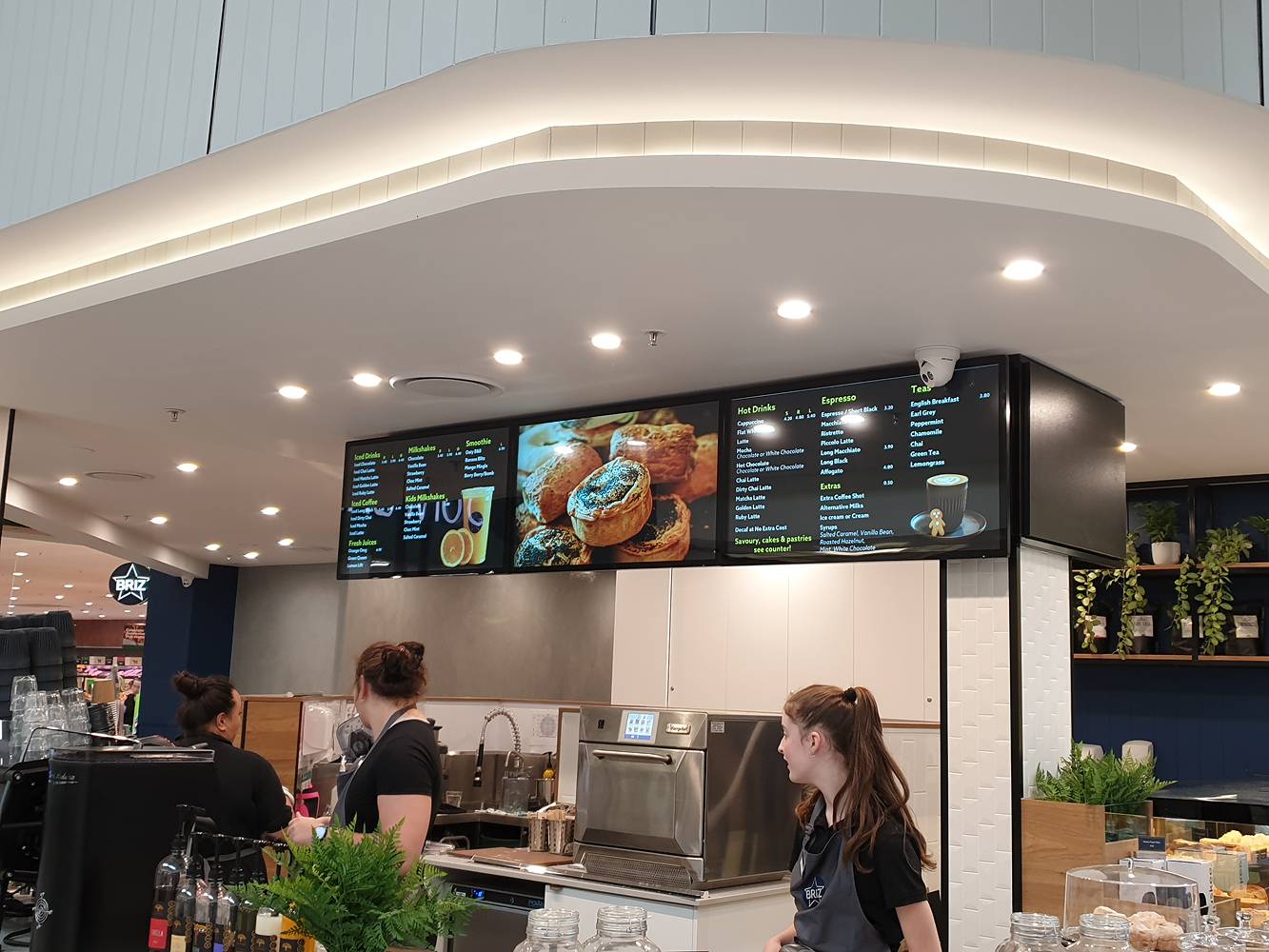
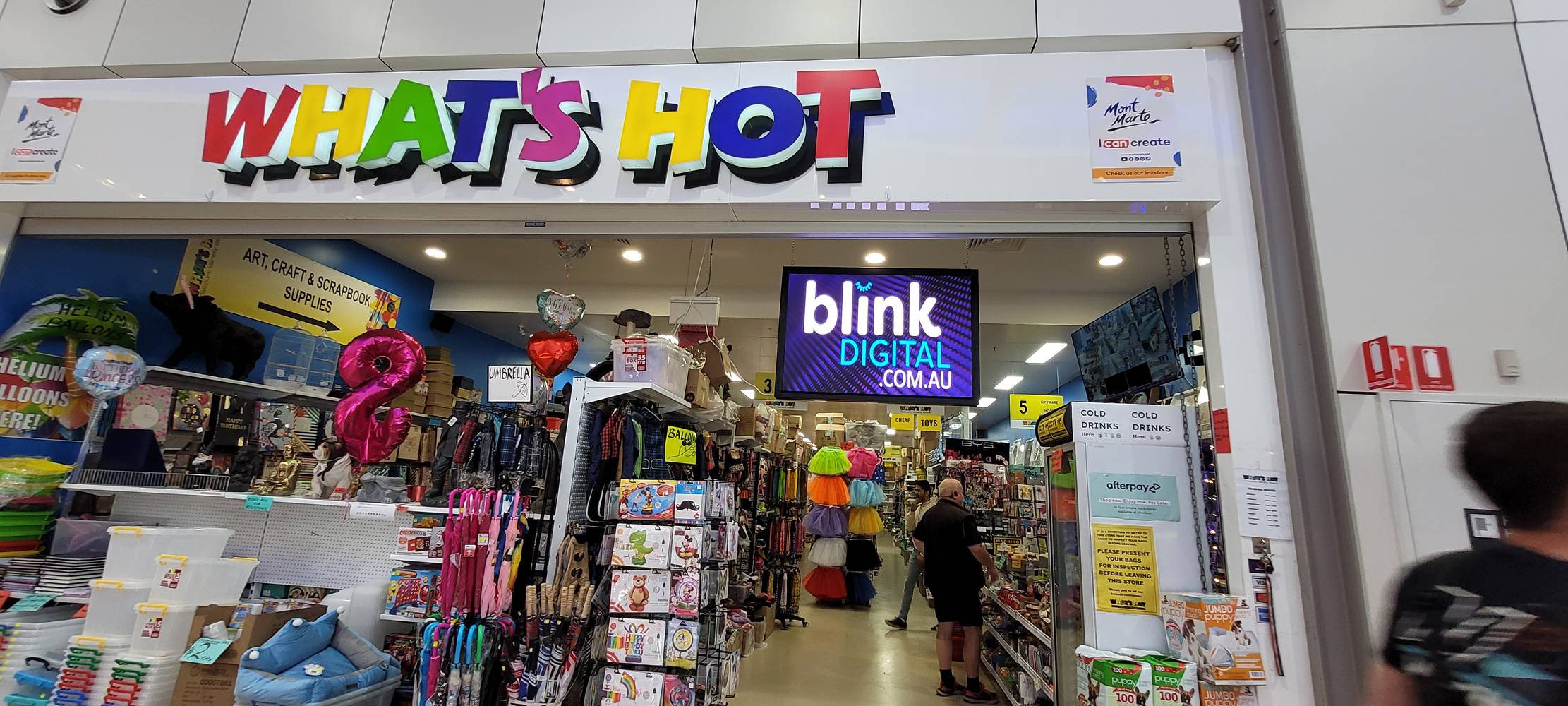
Modern LED signs (like the one above) use advanced high-brightness LEDs, consuming a fraction of the power of neon or fluorescent tubes. LED signage is an energy-efficient way to make your business stand out.
LED vs. Neon/Fluorescent: Why LEDs Use Far Less Power
Old-style neon and fluorescent signs are famous for their glow, but they are energy-guzzlers by comparison. Industry data show that LED signs typically draw only about 6–10 watts per foot, whereas neon signs need 60–100 watts per foot. In other words, LEDs can be nearly ten times more efficient in power use. One analysis puts it bluntly: “LED signs use significantly less power… up to 75% less energy” than equivalent neon or fluorescent displays. A trade association for digital signage notes modern LED displays can use 50–90% less electricity than traditional illuminated signs like neon or tube fluorescents. Even LED “neon” replicas – those flexible silicone LED shapes – typically consume about 80% less power than classic glass neon tubes.
The gains come down to how LEDs work. LEDs convert most of their energy into light rather than heat (neon tubes waste more energy heating gas), and LED drivers let you dim or pulse the LEDs with electronic control. In practical terms, a retailer replacing an old neon facade sign with an LED alternative can expect their sign’s daily electricity draw to plunge. Case studies report monthly running costs dropping by two-thirds or more after an LED upgrade. For example, if a standard neon sign once cost $30–$40 per month to run, a comparable LED sign might only use $10–$15 in power for the same display time.
Beyond raw watts, LEDs produce brighter, crisper light per watt. They maintain full visibility in direct sun when needed, but can also be dimmed at night. The same high efficiency that cuts bills also cuts heat output and improves safety (LEDs run cool, whereas neon fixtures get hot and use high voltages). In short, energy efficient LED signage in Australia and worldwide means businesses shine brighter for longer while their power meters tick up more slowly.
Lifecycle Cost Analysis: Installation, Power and Maintenance
While LED signs might have a slightly higher upfront price than a simple neon tube, their whole-of-life costs are typically much lower. Let’s break it down:
- Installation: Neon or fluorescent signs use glass tubes and often heavy transformers, meaning specialist handling and mounting. LEDs are lighter and modular, making installation faster and simpler. Blink Digital’s team can retrofit existing frames, so upgrading can sometimes be as simple as swapping in an LED panel. Lighter gear also avoids extra structural costs.
- Power Usage: As above, LED signage slashes energy consumption by 50–90%. Over years of 24/7 operation, that adds up to huge electricity savings. One cost analysis shows that over a 3–5 year period, LED signs consistently outperform neon in total cost thanks to far lower power bills and fewer repairs.
- Maintenance: Neon tubes can crack or burn out; their transformers can fail, and repairing them often means replacing glass and refilling gas. LEDs, on the other hand, use solid-state modules. If one LED dies, it’s often just one small section or board that is swapped out, minimizing downtime. A sign installer notes that “neon: tubes can crack, gases leak… LED: modular design allows partial replacements with less downtime”. In practice, LEDs often come with long warranties and require virtually no routine service. Blink Digital uses industry-standard modules rated for tens of thousands of hours, so even if a light does fail, it’s typically years down the track.
Putting this all together, the total cost of ownership for an LED sign is usually much lower than neon or fluorescent. Energy savings alone often cover the extra up-front cost in a few years, and reduced service work means savings on repairs. Blink Digital engineers can model your custom sign’s energy draw and demonstrate the lifecycle ROI. In fact, our clients consistently see faster payback: with LEDs they enjoy bright, dynamic signage but pay a fraction of the former power and maintenance bills.
Environmental Benefits: Longer Life and Fewer Toxins
Switching to LED signage is not just good for your wallet – it’s a greener choice. LEDs last much longer and eliminate many environmental hazards. For example:
- Extended Lifespan: A typical LED display runs for 50,000–100,000 hours, whereas a neon sign often lasts only 10,000–15,000 hours before fading or failing. That means an LED sign can run continuously for 5–10 years or more, cutting down on replacements. Every time a neon sign needs replacing or repairing, it uses raw materials and creates waste. Fewer replacements translate to fewer fluorescent tubes ending up in landfill.
- No Mercury or Toxic Gases: Traditional fluorescent and some neon lighting contain mercury and other toxic substances. If a tube breaks, it can release hazardous vapours, and disposal of neon signs is subject to strict regulations. LEDs contain no mercury. Industry experts highlight that “Unlike fluorescent or neon signs that contain mercury and other toxic gases, LED signage doesn’t rely on hazardous substances”. In other words, LED signs are far safer to operate and easier to recycle or dispose of at end-of-life. Even LED “neon” flex signs are made of silicone and plastics, not glass or toxic gas.
- Recyclability: Many LED sign components are made from common plastics and metals. Manufacturers (including our suppliers) increasingly design modules with recyclable elements. By contrast, neon signs mix rare gasses, glass, and electronics in a way that is harder to recycle. Choosing LED helps reduce electronic waste. Industry analyses also note that digital signage cuts down on printed media: you no longer need spare vinyl banners or paper flyers for every promotion. This “reduced print waste” is an added sustainability bonus of LED screens.
Taken together, these factors mean LED signage’s environmental footprint is far lighter. Longer-lasting lights mean less material use over time, and the absence of toxic gases makes end-of-life handling much safer. For a brand aiming to raise its eco-profile, highlighting these LED sign sustainability benefits can make a real difference with customers. After all, a sign that advertises your store can also serve as a statement of your green commitment.
LED displays not only last far longer than old neon, they also avoid the toxic mercury and gases in glass tube signs. This hospital lobby sign (above) illustrates how large-format LEDs fit smoothly into modern, sustainable design.
How LED Signage Builds Your Green Brand Image
Today’s shoppers and clients notice – and care – about sustainability. By choosing energy-efficient LED signage, businesses send a clear green message. Data shows that over 75% of consumers are more likely to engage with brands they see as environmentally responsible. For retailers and corporates, a glowing LED sign does double duty: it advertises products while demonstrating smart, eco-aware operations.
Consider these points:
- Demonstrated Responsibility: An LED sign that consumes less power is a visible demonstration of resource efficiency. When customers see an LED shopfront or showroom display, it subtly signals that the business values technology that’s better for the planet.
- Certifications and CSR: Many companies have sustainability targets or certifications (e.g. ISO 14001, Green Star, NABERS). Using energy-saving signage supports those goals. Blink Digital can even provide data on your signage’s energy use, which can feed into your green reporting or help earn compliance points.
- Retail ‘Green Signage’ Solutions: The term “green signage solutions” is growing in the industry. For example, retailers increasingly use language like “eco-friendly displays” or “energy-efficient LED signage” in marketing. Blink Digital helps clients capitalise on this trend by providing “green signage solutions retail” specialists know by working with stores and shopping centers. In one scenario, replacing multiple static window posters with a single LED display saved not only electricity but also eliminated the waste of constantly printing new ads.
- Marketing Leverage: Businesses can highlight the LED upgrade in their marketing and social channels. E.g., a car dealership might publicise “We’re going green – check out our new LED marquees!” This aligns with consumer values. In fact, a recent study by LG found 76% of people say they’re more likely to engage with brands committed to sustainability. Simply put, a greener image can boost brand loyalty.
In short, an LED upgrade is a tangible example of sustainability in action. Blink Digital regularly works with clients on integrating LED signage into broader marketing campaigns – such as digital billboards announcing a store’s “Carbon Footprint Reduction” project. These projects reinforce the message that vibrant advertising and environmental responsibility can go hand-in-hand.
From an Australian perspective, sustainable signage isn’t just a “nice to have” – it’s increasingly tied to compliance, green building standards and ESG reporting, which is why more organisations are looking closely at energy efficient LED signage Australia wide. Many retailers, dealerships, councils and corporate tenants now sit in buildings that target NABERS, Green Star or internal ESG benchmarks, where electricity use and emissions reporting are closely monitored. Swapping out old neon or fluorescent fascias for modern LED displays is one of the simplest visible actions they can take to reduce kWh consumption without compromising brand presence. In fact, when your sign is one of the most power-hungry pieces of equipment permanently sitting on your façade, cutting its draw by half or more becomes a quick sustainability win your leadership team can point to in board reports and stakeholder communications. Blink Digital often works with clients who are already installing rooftop solar, upgrading HVAC or switching to LED interior lighting; adding green signage solutions to that program creates a joined-up story: “We’ve modernised our building and our brand touchpoints at the same time.” Even at a single-site level, these decisions matter. A regional car dealership, an independent supermarket or a hospitality venue may not have a formal ESG team, but they still feel pressure from customers and staff to “go greener”. Investing in a high-quality LED pylon, scoreboard or shopfront display that uses far less power year after year is a practical way to live out those values. It also future-proofs your site as tariffs rise or as councils introduce stricter rules around inefficient lighting and sky glow. Because Blink Digital designs each project around location, audience and operating hours, we can suggest specific options – such as lower pixel-pitch screens for close viewing, smarter dimming profiles, tighter scheduling windows or integration with your solar and battery systems – that further reduce energy draw in the real world. Over time, that means your LED sign does more than broadcast promotions: it becomes part of your broader decarbonisation strategy. When your marketing, facilities and sustainability teams can all look at the same screen and see that it is eye-catching and efficient, it’s much easier to justify the investment and to tell a compelling story about your brand’s environmental responsibility. With Blink Digital as your partner, you’re not just buying a bright new sign – you’re locking in a long-term, lower-impact way to stay visible in a carbon-conscious market.
Case Studies & Examples of Energy Savings
Real-world examples underscore the potential savings. While each project varies, here are a few indicative results:
- A major international hotel chain replaced old lobby and outdoor screens with high-brightness LEDs (running about 130 W vs 300 W legacy LCDs). With ambient-light control and smart scheduling, they saw a 46% drop in display energy use within six months. The venue even won a local sustainability award.
- A national retail chain outfitted 80 stores with LED signs and digital shelf displays, many networked to motion sensors that dim when aisles are empty. The net result was an annual reduction of 20,000 kWh (about $120,000 saved in electricity) and roughly 70 tonnes less CO₂ emitted.
At Blink Digital, we’ve installed over 130 LED signs across Australia. One Queensland retailer reported their new digital shop window sign runs through busy season on similar power levels to their old static signs, thanks to the LEDs’ efficiency. Another automotive client measured a two-thirds cut in sign power consumption after switching from neon to LED, along with the faster ROI from lower maintenance bills.
These examples are typical of what modern LED signage can achieve. Whether it’s a single store location or a national roll-out, clients often see double-digit percentage reductions in sign electricity use. Over time, the cumulative energy saved – and carbon emissions avoided – become very significant.
Moreover, these projects pay for themselves. The international retail case above effectively paid back its extra equipment cost within the first year through power and maintenance savings alone. Blink Digital’s consultations always include a simple lifecycle cost model, so you can see upfront how quickly LEDs will recover their investment compared to running old lights.
Maximising Energy Efficiency: Smart Features & Tips
To get the most out of your LED signage investment, it’s wise to leverage the technology’s smart capabilities. Today’s LED sign systems often include features that trim power use without sacrificing impact:
- Adaptive Brightness (Ambient Sensors): Many outdoor and indoor LED displays can sense ambient light. They automatically dim the LEDs at night or on cloudy days, since you don’t need full daylight brightness in darkness. This can cut a sign’s energy use by up to 30–35% on a typical day. For example, Blink Digital installs ambient-light dimmers on billboards so the sign still looks vibrant but isn’t over-lit when it’s dark.
- Scheduled Operation: Not every business needs its sign running 24/7. Modern signage software lets you schedule on/off times or content loops. For instance, a shop could program the display to shut off late at night, or to only cycle high-power video content during peak hours. This “smart scheduling” means the sign works harder when it matters and rests when it doesn’t. A common practice is to set lower-brightness or blank screens during closed hours.
- Remote Monitoring & Control: Blink Digital’s LED systems include web-based dashboards. Clients can remotely check a sign’s power consumption, uptime and status. If a display is accidentally left on high-brightness in the middle of the night, our team can be alerted to adjust it (or even automate such adjustments). This level of control prevents waste: you use only as much light as needed, exactly when needed.
- Content Efficiency: Believe it or not, what’s shown on your LED sign can affect power use. High-contrast static images use less average power than bright, full-motion video. So, thoughtful content design (keeping some dark backgrounds, avoiding over-bright scenes) can shave extra watts. Blink Digital’s content team can advise on optimising visuals.
- Maintenance Best Practices: Even though LEDs need little upkeep, small steps help. Keeping the sign clean of dust and debris ensures maximum brightness at lower drive power. Blink Digital’s maintenance plans include periodic inspections and cleaning, so the sign always runs optimally. A well-maintained sign might use only half the drive current of a neglected one.
Implementing these tips often requires both good hardware and know-how. That’s where Blink Digital’s expertise comes in. Our installations include ambient sensors and scheduling by default. We train clients on the control software, and we can manage signs on their behalf if needed. The result is a highly efficient LED display that minimises energy draw while looking brilliant.
Checklist for Energy-Savvy LED Signs:
- Use built-in dimming sensors (we install these on most outdoor signs).
- Set up a daily on/off schedule so lights are off when not needed.
- Monitor usage via remote dashboards and adjust content/brightness.
- Design sign content to avoid full-screen white (lower brightness images can save energy).
- Include motion or presence sensors if appropriate (e.g. dim when no customers around).
Conclusion
LED signage is a clear win for sustainability and your bottom line. By switching from neon or fluorescent signs to energy efficient LED displays, businesses can cut power use dramatically, reduce maintenance headaches, and tick the box on environmental responsibility. The long lifespan and recyclable construction of LEDs mean less waste too. In short, the LED sign sustainability benefits are powerful: lower bills, lower carbon, and a greener brand image.
As Australia’s trusted digital signage specialist, Blink Digital is ready to guide you. We offer a full service – from design to install to ongoing support – ensuring your LED signage solution is as energy-savvy as possible. Whether you run a retail chain, dealership, hotel or corporate campus, our team will tailor the right LED sign for your needs and maximise its efficiency.
👉 Ready to go green with your signage? Contact Blink Digital today for a free consultation. We’ll help you choose the most energy-efficient LED signage options, and show you the projected energy savings and lifecycle costs. With our expertise, you can put up a vibrant new sign that’s kinder to the planet – and your power bill. Illuminate your business sustainably with Blink Digital’s green signage solutions.