Blink Digital already positions entertainment and events as a core signage category, with solutions for cinemas, theatres, concert venues, festivals and other live-event environments, so this article is designed to extend that offering with a practical, venue-focused content strategy rather than repeat the existing service page. Blink Digital also lists a broad range of relevant products and services on its website, including outdoor LED signs, indoor LED signs, LCD displays, mobile LED signs, entrance LED signs, underawning LED signs, installation, maintenance and design support.
Entertainment venues rarely need signage for just one purpose. A screen near the entry might need to build excitement in the hour before a show, guide people to the right line ten minutes before doors, promote interval offers during the break, then shift into post-show messaging as patrons leave. That is one of the biggest advantages of digital signage over static print: Blink Digital’s own entertainment and events page highlights instant content changes, real-time information and visibility indoors or outdoors, day or night. In other words, good venue signage is not just decoration; it is an operational tool as well as a promotional one.
That matters even more in live entertainment, where timings move, queues change, support acts run late, and audiences arrive with questions. Recent venue deployments in North America show digital signage networks stretching across gates, concourses, clubs, hospitality areas and external entry points to support a more connected audience experience, while Samsung’s entertainment case study at Altitude Trampoline Park shows screens being used to streamline check-ins, communicate safety information and update concessions in real time. Those examples reinforce a simple truth: in venue environments, screens work best when they help people move, decide and buy with less friction.
For Australian operators comparing entertainment venue digital signage options, this is where a practical content plan becomes important. The question is not just whether to install LED signs or digital signage. It is what those screens should actually show across the full event journey, and how to make them useful enough that staff keep using them. For venues searching online terms such as digital signage Brisbane or led signs Brisbane, that practical layer is often what separates a screen that becomes part of daily operations from one that ends up running the same generic loop for months. Blink Digital can help venues avoid that outcome by matching screen type, placement and content planning to the way the venue actually runs.
Why entertainment venue digital signage matters from the street to the seat
A live entertainment venue starts communicating long before the performance starts. The first touchpoint may be visible from the street, from a car park, from an entry forecourt, or from the box office queue. Blink Digital’s entertainment page explicitly frames LED signage as a way to promote upcoming shows, share real-time information and create excitement before, during and after events, which is exactly how venues should think about it: not as one screen doing one job, but as a messaging system that changes with audience needs throughout the evening.
That broader view of signage is already visible in major venue projects. The Baltimore Ravens’ M&T Bank Stadium upgrade includes digital signage across entry gates, concourses, clubs and hospitality spaces, with the venue specifically positioning those screens as part of a more connected fan experience and better movement through the building. At AT&T Stadium, LG’s rollout spans suites and event areas and supports everything from live feeds to promotional content across multiple venue settings. Even though those are large-scale sports examples, the underlying lesson applies equally well to theatres, music venues, cinemas and community entertainment spaces: screens do their best work when they support the whole venue journey, not just a single advertising moment.
That whole-journey approach is particularly useful because entertainment venues can be confusing places. The Barbican Centre in London has publicly acknowledged long-standing wayfinding challenges, with reports describing poor signage and a disorienting layout as part of its planned renewal. Not every venue is that complex, but many still have the same basic problem at a smaller scale: people do not know which door to use, where the bar is, when the interval ends, whether bags are allowed, or what is on next month. In those situations, digital signage is not simply decorative media. It is a wayfinding, customer service and crowd-management tool.
This is where venue LED displays and more traditional foyer or box office screens should be planned as a system. The outdoor screen might need to catch attention from passing traffic and announce what is on tonight. The entry screen might need to show door times, ticket collection instructions and queue routing. The foyer display might need to switch between sponsor recognition, interval offers and programme information. A bar screen might focus on drinks, food and return-to-seat countdowns. A post-show window screen might move on to upcoming events once the performance is over. Blink Digital’s wider product range supports that kind of layered approach because the company is not limited to one format. Its website shows indoor and outdoor LED, LCD, mobile and specialised sign types that can be combined according to venue layout, budget and operational needs.
For Brisbane and South East Queensland venues, this matters at both ends of the customer journey. A cinema, live music venue or club may need screens that work in bright outdoor light before dusk, then continue working as highly visible promotional assets after dark. Blink Digital already describes its entertainment solutions as suitable for indoor and outdoor use with “unmatched brightness and clarity”, and its general service offering includes design, installation and maintenance support. That combination is important because entertainment operators usually need more than hardware. They need a supplier who can help them decide what the audience should see, where they should see it, and how the system will be maintained once the opening buzz wears off.
In practical terms, the best entertainment venue digital signage strategy usually answers three questions. What do patrons need to know before the show? What do they need during the break or between sessions? And what should they see once the event ends? When venues answer those questions properly, screens stop behaving like generic promo monitors and start functioning as part of the venue operation. That is the standard Blink Digital should be aiming to help clients achieve.
What to show before doors open
Before doors open, the audience is in planning mode. They are checking times, watching the queue, scanning for the right entrance, confirming they are in the right place and deciding whether they have time for a drink or to collect tickets. This is the point where entertainment venue digital signage can remove uncertainty and set the tone before staff need to answer the same question fifty times. Blink Digital’s own entertainment page highlights real-time updates and instant content changes, which are especially valuable in this pre-show window because last-minute adjustments are common in live entertainment.
The first pre-show job is building anticipation. That can mean a hero screen outside the venue or in the entry zone showing the tonight programme, a welcome visual, artist imagery, a countdown to doors, or a simple “Tonight at 7:30 pm” message. This is where LED signs for events perform strongly because they create energy from a distance. Large venues increasingly use digital signage as a visual landmark at entry points, with projects such as M&T Bank Stadium and Roig Arena showing how screens are used across gates and exterior zones to establish atmosphere before patrons are even inside. A smaller venue does not need a stadium-scale installation to apply the same principle; it just needs a screen in the right place with the right content at the right time.
The second pre-show job is directing people. This is where many venues underuse their screens. Instead of repeating a generic poster graphic, the entry display could answer the questions people are already asking. Which queue is for pre-purchased tickets? Which entry is accessible? Is this an 18+ event? Are bags being checked? Where is the box office? Where are the amenities? If there are separate lines for different ticket classes, membership holders or VIP access, screens can clarify that without staff having to shout over a crowd. Samsung’s Altitude case study is a useful cross-industry example here because it shows digital screens guiding guests through front-desk and waiver processes to reduce wait times and create a smoother start to the visit. The medium is different from a theatre or music venue, but the operational principle is the same.
The third pre-show job is selling without being pushy. Venue operators often think sales messaging should wait until interval time, but the period before doors open can be one of the best moments to promote merchandise, memberships, premium upgrades, early bar specials or the next major headline event. Patrons are standing still, looking around and waiting. A well-timed loop can highlight “skip the queue” pre-orders, a foyer bar opening time, a season-pass offer, or “on sale now” tickets for the next show. Because digital signage can be updated instantly, the venue does not need to print separate material for every performance. It can run one playlist for a film session, another for a comedy show and another for a corporate event or community performance.
The fourth pre-show job is reinforcing sponsor relationships and atmosphere. Major venues already use digital asset networks for fan engagement, branding and partner exposure across the building. Even at a smaller scale, venues can dedicate part of the pre-show loop to sponsor acknowledgement, community partner recognition or venue identity. The important thing is balance. Patrons still need useful information first. A sponsor slide works better when it sits inside a content sequence that also helps guests find their way and feel informed, rather than interrupting every useful message with a hard sell. Venue screens should feel like part of the experience, not like wallpaper with a logo rotation.
For Blink Digital clients, a strong pre-show setup often means combining formats. A bright outdoor LED sign can do the long-range attention job. A foyer LCD or indoor LED screen can give more detailed information. An entrance or underawning display can carry last-minute instructions visible to the queue. Because Blink Digital offers multiple display categories and manages design, installation and support, it can help venues think beyond a single “TV on the wall” mindset and create a more deliberate entry experience.
What to show during intervals
Intervals are short, crowded and commercially important. In that brief window, patrons are deciding whether to buy a drink, visit the amenities, stretch their legs, find a friend or check what time they need to be back in their seats. This is where many venues miss an obvious opportunity. If the screen content does not change at interval time, the venue is usually leaving both operational value and potential spend on the table. Blink Digital’s entertainment and events page already frames LED signage as something that can share real-time information and keep audiences engaged during the event, and that is exactly the operating mindset intervals require.
The most useful interval message is often the simplest one: how long is left before the show resumes. A visible countdown in the foyer, bar area or concourse helps people relax without losing track of time. It also reduces the likelihood of a late rush back into the auditorium. If the interval has been extended or shortened, that change can be reflected immediately. This type of live update is one of the clearest advantages of digital signage over printed notices, especially in venues where the run-of-show may vary between productions, support acts or sessions.
The next major interval use is food and beverage promotion. Samsung’s Altitude case study shows digital displays replacing static menu boards, enabling real-time menu updates and targeted promotions in concessions areas. In an entertainment venue, that same logic can be applied to interval specials, bar bundles, limited-time snack offers, merchandise add-ons or quick-pick items designed to move faster during peak demand. A venue does not need to reinvent its whole menu board strategy to benefit from this. Even one interval-only message such as “pre-mixed drinks at Bar Two”, “grab-and-go snacks near Door B”, or “dessert special available until the show resumes” can help direct traffic and increase clarity at the point of decision.
Intervals are also a queue-management problem. If the nearest bar is packed, screens elsewhere in the venue can direct guests towards another service point or shorter line. If an amenities bank on one side of the building is less busy, a screen can tell people so. If there is a premium lounge, membership area or merchandise table that patrons have forgotten about, interval is when they are most likely to notice. Again, large venues provide the clearest example: modern stadium and arena networks use displays across concourses and hospitality areas because crowd movement is not solved by one giant screen alone. Smaller venues can adopt the same principle on a simpler scale. Put the right message near the point where the decision is being made.
Another valuable interval content type is contextual promotion. This is where the venue can feel a little more curated and a little less generic. A theatre showing a touring musical might promote cast recordings, future productions in the same genre or a members’ priority access offer. A live music venue might highlight upcoming gigs from similar artists. A cinema might promote advance screenings, loyalty perks or special event sessions. A community hall or local performing arts space might announce the next market, fundraiser or cultural programme. Because digital signage is easy to switch by event type, the same screen network can support very different audiences across different nights. Blink Digital’s role here is not just to provide the display, but to help build a content structure that makes those swaps manageable for venue staff.
Finally, interval screens are a smart place for calm, practical notices that would otherwise get ignored. Safety reminders, accessibility information, lost-children procedures, venue etiquette, or reminders about re-entry policies can all sit inside the interval loop without feeling heavy-handed. Samsung’s case study specifically cites enhanced safety communication as part of the value of integrated digital signage, and entertainment venues can use that same approach to keep critical information visible at moments when people are moving around and paying attention to what is around them.
What to show after the show
After the show, the audience mood changes. The performance is over, the crowd is dispersing and attention spans are shorter. That does not mean the screen network stops working. It means the job of the screen changes again. Post-show content should help people leave smoothly, extend the relationship beyond one visit and make use of screens that remain visible after the main event has finished. Blink Digital’s entertainment page explicitly includes “after the event” in its description of what venue signage can support, which is an important reminder that the last impression still counts.
The first post-show task is exit communication. Patrons need clear directions to transport, parking, rideshare areas, merchandise collection, cloakroom pickup or late-night food and drink options. In some venues, they may also need a reminder about staged exits, one-way pathways or which doors are open. Where layouts are complicated, signage becomes especially valuable. The Barbican’s well-documented navigation issues are an extreme example, but the general lesson is applicable anywhere: when visitors are already moving through an unfamiliar environment, signage needs to reduce mental load, not add to it. A post-show screen telling people “parking via Exit C”, “rideshare pickup on Smith Street”, or “toilets and taxis this way” can be more useful than another glamour shot from the headline act.
The second post-show task is the rebooking opportunity. This is one of the most underused moments in venue marketing. Patrons who have just enjoyed a show are often the warmest audience the venue will get all week. Screens can use that moment to promote the next programmed event, a season bundle, a membership offer, a mailing-list signup, or a QR code for future bookings. Major venues routinely use their display networks for marketing and fan engagement beyond the main event itself, and smaller venues can use the same principle at a scale that suits them. The content does not need to be complex. It just needs to answer the question, “What should this person do next now that they have had a good experience here?”
The third post-show task is social proof and community connection. A venue can use screens to thank patrons for attending, recognise sponsors and supporters, promote venue socials, invite reviews, or share highlights from what is coming next. For community venues, this is also a natural place for local announcements and programme cross-promotion. For commercial venues, it can support database growth and repeat attendance. The benefit of digital signage is that all of this can be adapted by event type. A cinema might promote membership and the next special screening. A concert venue might promote next month’s lineup. A theatre might push subscriptions or donor support. A club might swing into after-party or late-trade messaging. With the right templates prepared in advance, staff do not need to rebuild these assets from scratch every night.
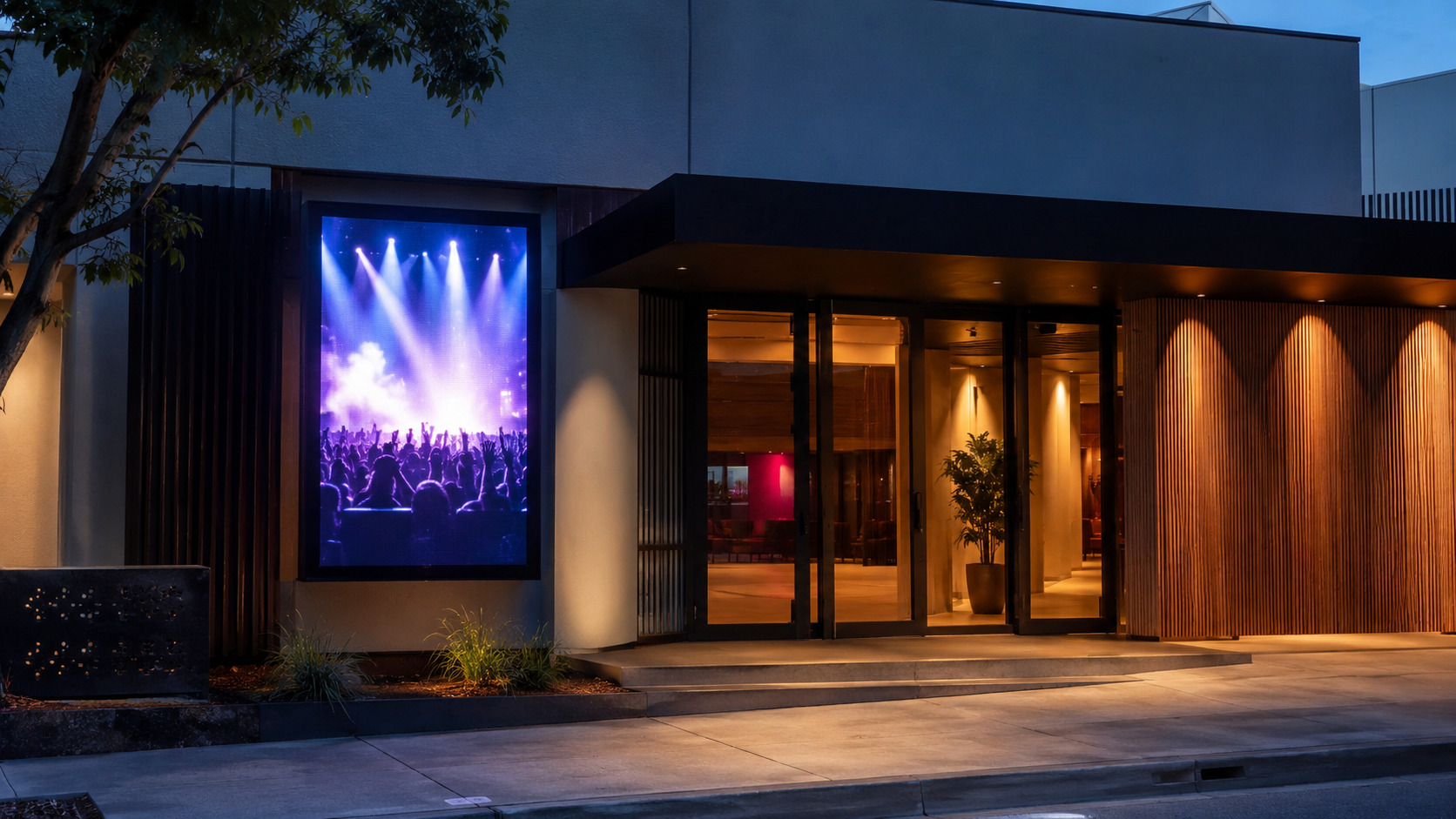
The fourth post-show task is after-hours visibility. This matters particularly for venues with street-facing windows, underawning displays or external LED signs. Once the crowd has gone home, those screens can continue working as a 24/7 venue billboard, showing upcoming events, trailer loops, brand visuals or community messaging to the next day’s foot traffic. That is especially relevant for operators evaluating LED signs Brisbane options because many entertainment sites sit in active precincts where pedestrians pass the venue well outside performance hours. A screen that only serves a queue for one hour each night is underused. A screen that also markets tomorrow’s session, next week’s artist or the wider venue calendar keeps earning attention after the event has ended. Blink Digital’s broader range of outdoor, underawning and entrance solutions makes that extended-use approach realistic for different venue types.
Post-show content works best when it is intentional rather than left to an old sponsor loop or a frozen show poster. Venues that plan this well treat their screen network like part of the audience journey from arrival to departure. Venues that do not often end up with a dead screen, a stale loop or a missed sales opportunity. Blink Digital can help operators build content logic into the installation from the beginning so that screens do not lose their value once the novelty wears off.
How to build a venue content plan staff can actually run
The biggest mistake many venues make is assuming that content will somehow look after itself after installation. In reality, the long-term value of digital signage depends on whether the venue can manage its content without stress. Blink Digital’s website makes a point of offering consulting, design, installation, programming, maintenance and support, which is important because venue teams often need operational structure as much as they need hardware. Blink’s staff listing also shows distinct roles across graphic design, LED programming, installation, electrical work, fabrication and project management, which is exactly the mix needed when a screen network must work reliably in a live environment.
A workable venue content plan usually starts with zones rather than screens. Think in terms of entry, queue, foyer, bar, auditorium approach, amenities corridor and exterior streetfront. Then assign each zone a primary purpose. The entry zone builds anticipation and gives instructions. The foyer zone mixes programme, sponsor and practical information. The bar zone focuses on interval trading. The post-show streetfront zone shifts to future programming. When venues skip this step, every screen ends up showing the same generic loop whether or not it suits the location. A zone-based approach gives the venue a reason for every screen to exist.
The next step is to build time-based playlists. A venue should not have one playlist; it should have several. Pre-show, in-show, interval, post-show and after-hours are all different communication windows. Samsung’s case study is useful here because it shows operators scheduling deals for specific times of day and intended crowds. That is exactly how venues should think as well. A film session at 5:30 pm and a live band at 8:00 pm do not need identical messaging, even if they use the same screens. Good digital signage should make that difference easy to manage.
Template design also matters. Not every screen message needs to be a full creative production. In fact, a strong venue system often relies on a limited set of consistent templates: countdown, sponsor slate, “what’s on next”, interval offer, wayfinding alert, venue notice, emergency override, and post-show thank you. With those templates in place, staff can refresh the details without redesigning the whole screen every time. This kind of discipline usually produces better results than chasing a new visual concept for every single performance. It is also more realistic for venues that do not have an in-house designer available on every shift. Blink Digital’s design and programming capabilities are relevant here because the company can help set up a system that is repeatable rather than fragile.
Another important piece is hierarchy. The audience cannot absorb ten messages at once, especially in a noisy foyer or crowded interval rush. Useful venue signage prioritises first things first: where to go, what time the show starts or resumes, what is available right now, and what action the venue wants next. Sponsor recognition, atmosphere pieces and brand storytelling still matter, but they should sit behind operational clarity, not replace it. This is one of the reasons modern venue display networks are spread across different points in the building. Each screen handles the decision most relevant to that location.
Finally, every venue needs an override plan. What happens if doors are delayed, a support act changes, an auditorium is full, a weather issue affects entry, or a transport problem changes dispersal routes? Blink Digital’s site repeatedly emphasises real-time updates and support, and those are not just convenience features. In live operations, they are often the difference between a calm crowd and a frustrated one. A good signage setup should make it easy to override normal playlists and push essential information when conditions change.
Choosing led signs and digital signage for entertainment venues in Brisbane
Once the content strategy is clear, the hardware choice becomes easier. Blink Digital’s catalogue shows the company is not limited to a single display type. It offers outdoor LED signs, indoor LED signs, LCD displays, mobile LED signs, entrance LED signs, underawning LED signs and more, which means venues can choose a format based on audience flow, sightlines and operating needs rather than trying to force one screen type into every location.
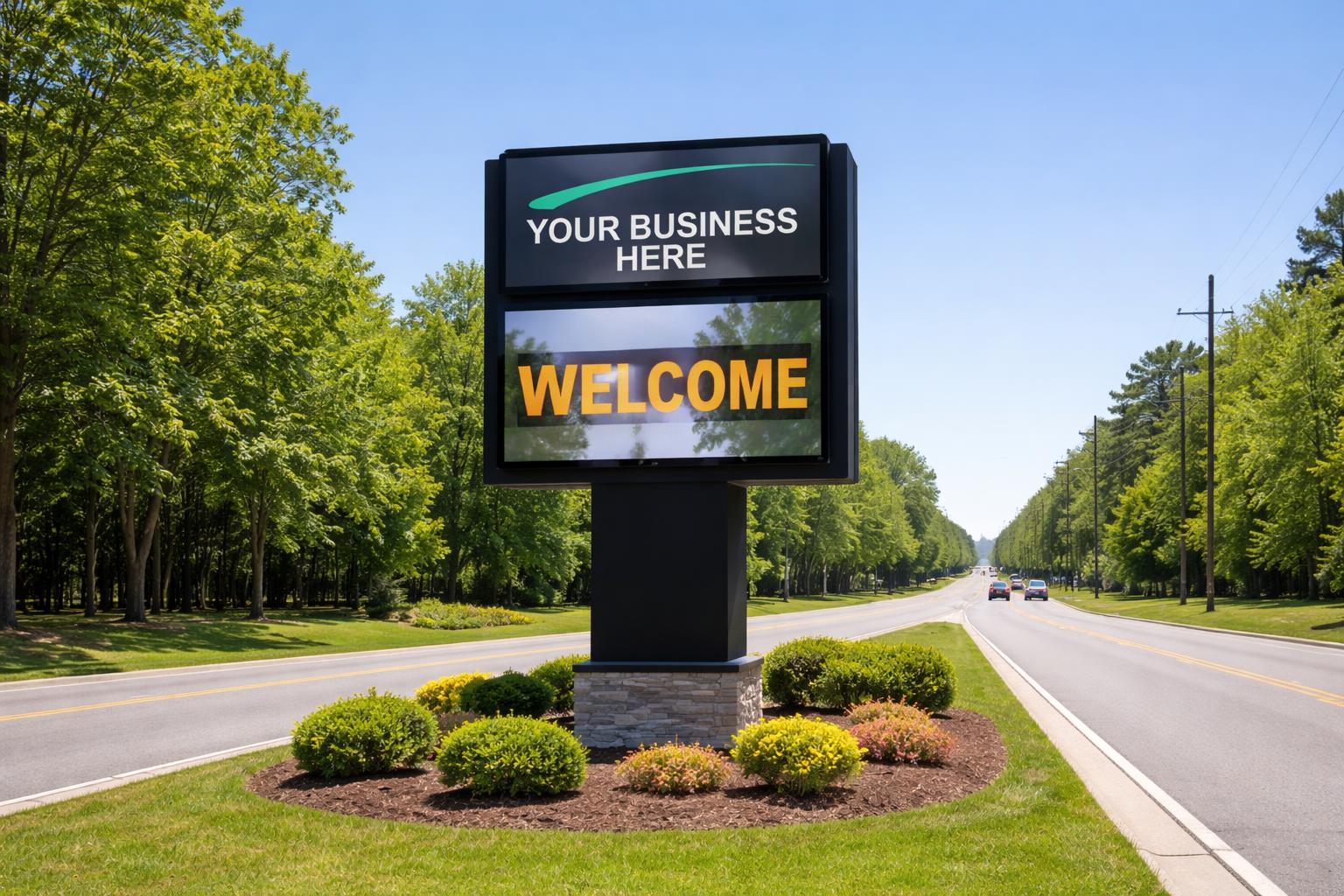
For exterior visibility, outdoor LED is usually the right conversation. If the aim is to catch passing traffic, announce tonight’s show from a distance or keep the venue visible after hours, an outdoor LED sign makes sense. Blink Digital’s entertainment page specifically describes high-brightness displays suitable for indoor and outdoor use and states that the company’s signs are designed to keep messages visible day or night. That matters in Brisbane, where many entertainment venues operate in mixed-use precincts with strong daylight exposure before sunset and busy pedestrian visibility after dark.
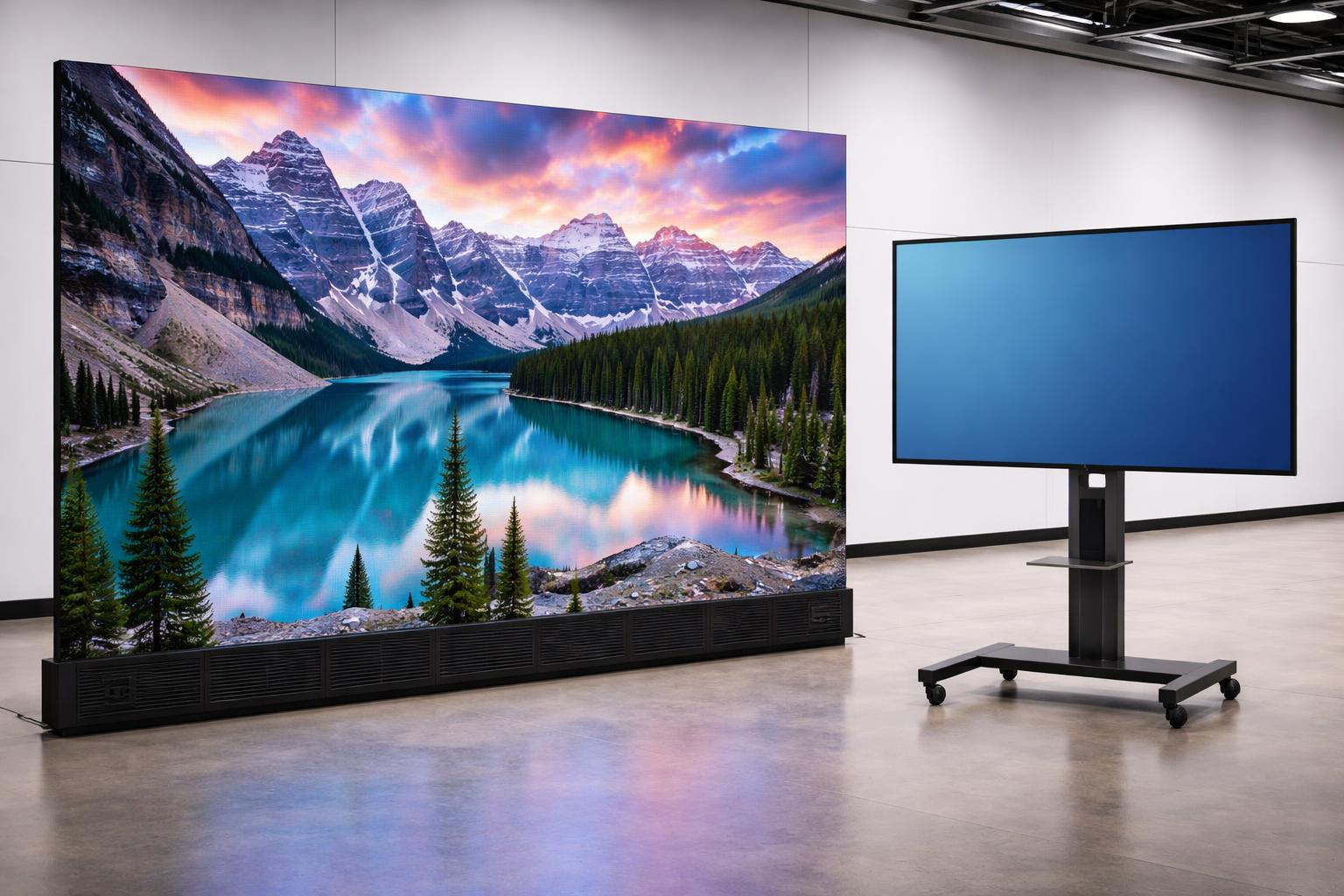
For interior detail, LCD or indoor LED can be the better fit. Foyer screens, box office areas, bar zones and internal corridors often need sharper close-range messaging rather than long-distance impact. These are the places where session times, menu items, wayfinding, countdowns and programme detail need to be read quickly and clearly. Because Blink Digital also supplies LCD displays and indoor LED options, venues can match the technology to the reading distance and the style of information being shown.
For flexible or temporary uses, mobile displays can be useful. Some venues host festivals, pop-up events, seasonal activations or spill-out programming where a portable screen adds value without becoming a permanent fixture. Blink Digital lists mobile LED signs among its core product categories, which gives venues another option when they need flexibility around forecourts, event compounds or temporary overflow spaces.
For operators typing digital signage Brisbane or led signs Brisbane into search because they want a local supplier rather than a generic online reseller, service support should be part of the buying decision. Blink Digital is based in Brendale, Queensland, and presents itself as a company that handles production, installation and management across Australia. Its website also highlights design, maintenance and support services, and its team structure includes project management, programming, installation and electrical work. For entertainment venues, that support matters because a screen in a live venue is only as useful as the team behind it when something needs updating, troubleshooting or adjusting.
That local capability is reinforced by Blink Digital’s own business profile. The company says it has more than 22 years of innovation and customer care, over 130 LED signs installed and more than 250 signage projects completed across Brisbane. Those are Blink’s own published figures, so they should be read as company-reported performance statements, but they still help explain why a venue might prefer a supplier that can advise on design, install, support and signage planning rather than simply ship a display. In a venue environment, those extra layers often make the real difference.
Turn event-day screens into a year-round venue asset
The real opportunity with entertainment venue digital signage is not simply to put moving content on a wall. It is to turn screens into a reliable venue asset that works before doors open, during intervals, after the show and in the hours between events. When that happens, signage supports atmosphere, queue flow, customer confidence, sales activity, sponsor visibility and future bookings all at once. The examples from Blink Digital’s own entertainment page, Samsung’s operational case study and major venue rollouts all point in the same direction: screens create the most value when they are treated as part of venue operations, not just as digital posters.
For theatres, cinemas, clubs, music venues, festivals and community spaces, the practical question is simple. What should people see at each stage of the experience, and which screen format will make that message easiest to notice and act on? That is where Blink Digital can help. With a Queensland base in Brendale, a broad product offering and in-house capabilities across design, programming, installation and maintenance, Blink Digital is well placed to help entertainment venues develop digital signage that is not only eye-catching, but genuinely useful.
If your venue is reviewing new led signs, improving its existing digital signage, or comparing suppliers for digital signage Brisbane and led signs Brisbane, the best next step is to plan the audience journey before choosing the screen. Contact Blink Digital for more information and assistance with entertainment venue digital signage tailored to your venue, audience flow and event schedule.