Hotels and motels do not win guests over with rooms alone. They also win with clarity. A traveller who has been driving for hours, a family arriving after dark, a business guest hurrying to a conference session, or a late check-in guest trying to find the right entrance all judge the property before they ever reach the front desk. If the signage is hard to spot, the reception entry is unclear, or the information guests need is buried in paper notices, that first impression starts to feel disjointed. That is exactly why hotel and motel signage should be planned as part of the guest journey, not as an isolated branding exercise. On its Hotels & Motels page, Blink Digital positions LED signage as a way to improve roadside visibility, showcase promotions, strengthen guest experience and give properties a more modern, welcoming presence, and the company’s broader services page shows that it works across digital signage, general signage and billboards throughout Australia.
That matters because the guest experience begins well before a visitor reaches reception. Industry guidance on hotel digital signage repeatedly frames screens as a bridge between operational information and guest comfort, especially when they are used to replace static notices with current, accessible information. One recent hotel signage guide argues that the guest experience starts long before the front desk and that traditional paper-based communication is no longer enough for modern travellers who expect real-time, easy-to-find information. Another hospitality technology article makes a similar point, saying digital displays now shape every stage of the stay, from arrival and check-in to navigation, amenity discovery and upsell opportunities.
For hotels and motels, that opens up a much bigger conversation than simply choosing a bright screen. Good hospitality LED signage can help a property attract roadside attention, reduce uncertainty at the driveway, guide guests to reception, support after-hours arrivals, highlight amenities, promote restaurant or bar offers, keep event schedules current and even turn the lobby into a practical local information point. Done poorly, it becomes cluttered digital wallpaper. Done well, it becomes guest communication signage that makes the stay feel smoother from the first glance to the first night. That is where an operator-focused approach from Blink Digital can be useful: not just supplying hardware, but helping properties think about what each sign needs to do at each stage of the guest journey.
The roadside sign is part of the check-in experience
The first job of hotel signage is often the simplest one: help people decide to turn in, and reassure them that they have found the right place. That is especially important for motels, highway-facing properties and accommodation sites that rely on passing traffic, late arrivals or quick recognition from the road. General signage guidance from the International Sign Association notes that an effective sign must be detectable, conspicuous, legible and comprehensible in time for people to react. In hotel-specific Australian guidance, properties are also advised to place signs so they are visible from surrounding streets and driveways, with clear sightlines that help guests find reception and parking without hesitation.
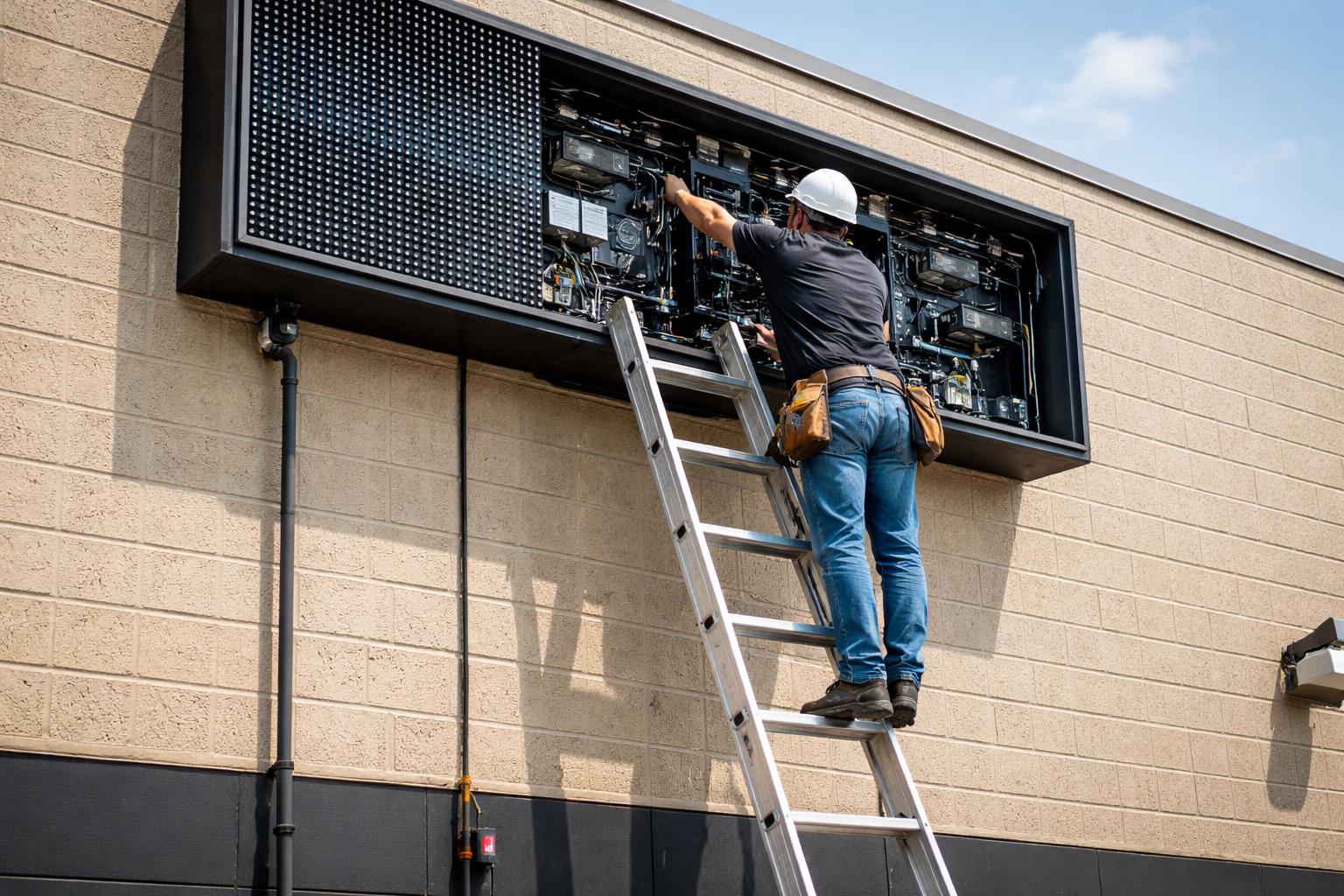
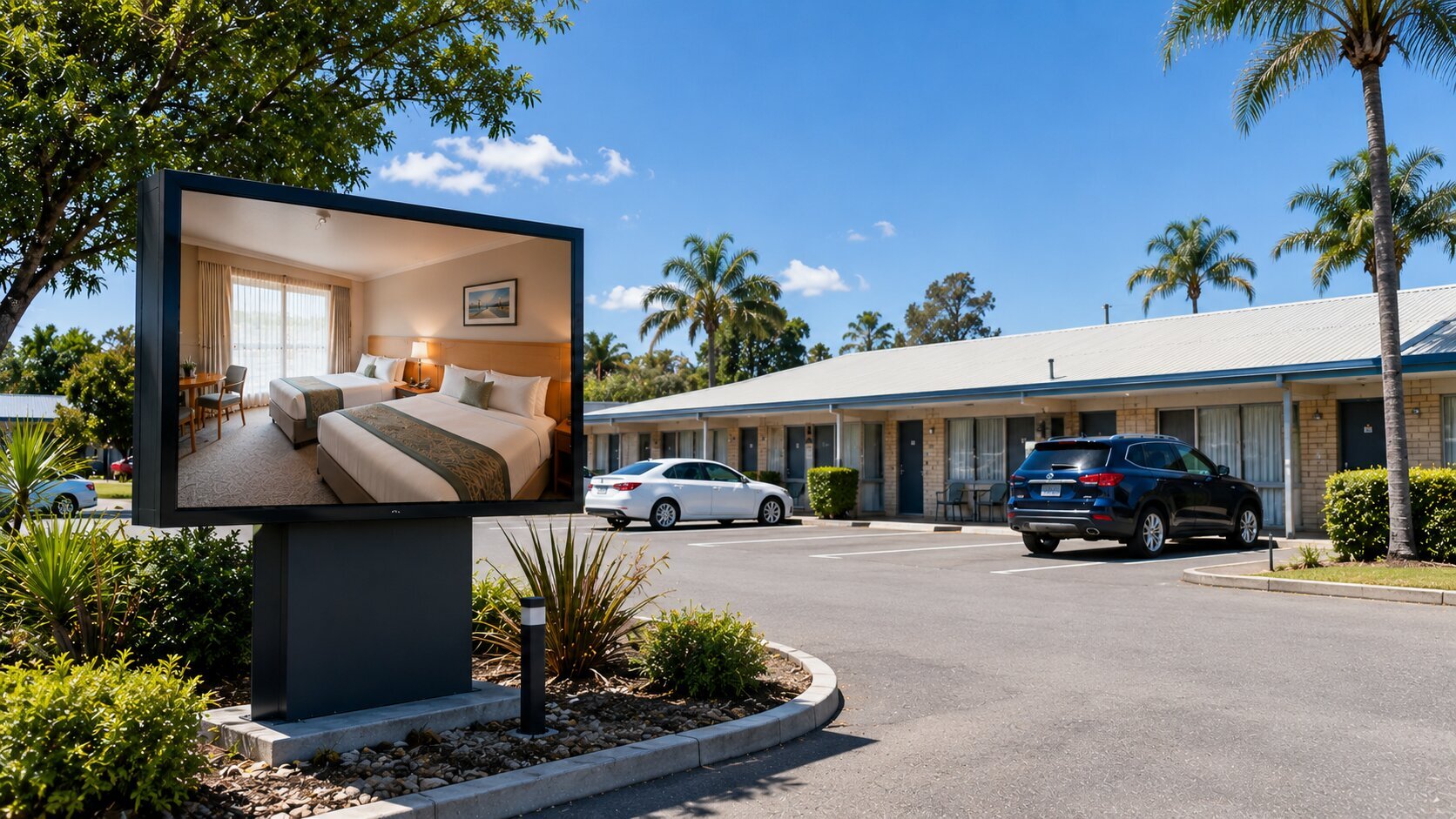
This is why some of the most effective hotel LED signage ideas are not the flashiest ones. A roadside display does not need to try to explain every feature of the property. Its job is to answer a few high-value questions quickly: is this the right property, is there availability, where do I turn, and what should I do next? The Hotels & Motels page on Blink Digital explicitly highlights roadside visibility and the ability to update messages such as “Vacancy/No Vacancy”, event greetings and promotions in real time. That is powerful because it gives properties a live communication channel rather than a static identity board that says the same thing day and night.
For many motels, a hotel vacancy LED sign or digital vacancy message carries even more operational weight than it does for full-service hotels. Motels often depend on quick-decide traffic, late-night arrivals and guests who need clear information from a distance. In that setting, LED content should stay disciplined: vacancy status, a strong directional cue, perhaps an after-hours note, and a simple brand message. The more crowded the screen becomes, the less useful it is for the driver who has only a few seconds to scan it. That is one reason Blink Digital emphasises maximum visibility and flexible message changes rather than decorative complexity.
Hotels have a slightly different roadside challenge. They are not always selling “vacancy now” in the same way, but they still need to be easy to identify and easy to approach. For CBD hotels, resorts, conference hotels and large suburban properties, the external sign may need to do more brand-heavy work while still helping guests find the entry sequence, car park or portico. Australian hotel signage guidance points out that exterior identity signage should be recognisable from multiple angles, and that good sign placement reduces the number of people needing to ask basic arrival questions later. That means roadside LED should still be guest-first, even when the brand expression is more premium.
This is where a combined strategy is stronger than a single product decision. Because Blink Digital works across hotel and motel LED signage, broader digital signage services and supporting signage categories, it can help operators think beyond “one big display” and toward a more complete arrival sequence. That may include a roadside LED, an entrance sign, supporting car park direction, and internal guest-facing displays that continue the same tone once the vehicle has turned off the road.
Arrival, parking and after-hours guidance should remove friction before the front desk
Once a guest has turned in, the next problem is often surprisingly practical: where do I go now? Hotels and motels lose goodwill quickly when the driveway, drop-off, car park or reception route is unclear. Australian hospitality signage guidance makes this point directly, noting that directional signs should be easy to follow and that correct positioning can prevent guests from feeling lost while also reducing the number of basic direction questions handled by reception staff. The same source recommends visibility from surrounding streets and driveways so visitors can identify reception and parking areas early rather than guessing at the last second.
A good arrival-zone display should therefore do practical work, not just aesthetic work. It can direct vehicles to guest parking, identify drop-off zones, separate deliveries from guest arrival points, and confirm that reception is ahead, to the left, or in another building. For larger accommodation sites, this becomes even more important because parking confusion, delivery traffic and multiple entries can make the property feel more complicated than it really is. Guidance on hotel frustration points specifically lists parking confusion as a common issue that can be eased with visitor car park signs, drop-off signs and delivery guidance.
After that comes the front desk transition, and this is where a hotel reception signage display can save both guest time and staff time. Lobby signage guidance from one major commercial-display provider recommends using hotel lobby screens to show check-in and check-out times, luggage-holding options for early arrivals, and transportation details, specifically because this makes the process smoother for guests and front desk staff. The same source also highlights amenity hours and locations at a glance, meaning the lobby screen can answer several routine questions before a queue ever forms.
After-hours is where digital signage becomes particularly useful. A late-arriving guest does not need an essay taped to the reception window; they need calm, visible instructions. That might mean “Night check-in at side window”, “Use kiosk for key collection”, “Call reception”, or “Enter code from confirmation email”. There is strong evidence that self-service expectations are growing. In 2025, commissioned travel research found that 70% of surveyed U.S. travellers were likely to use an app or self-service kiosk instead of a traditional front desk, and related market reporting found that more than 40% preferred to check in via a website, app or digital kiosk. Another hotel signage guide specifically notes that kiosk-style check-in can be useful for guests arriving after hours or when staff are occupied.
For motels, this is especially relevant. When reception is lightly staffed overnight or the office closes early, the sign becomes part of the check-in process itself. That is why the message needs to be short, direct and high contrast. Generic promotional lines are not helpful to a traveller who has arrived tired at 10:30 pm. Design best-practice guidance across digital signage warns against too much text, small fonts, low contrast, cluttered layouts and poor timing, because those issues quickly undermine comprehension in real environments. In simple terms, the sign needs to remove friction, not add another reading task.
For accommodation operators that want to build that whole arrival sequence properly, Blink Digital can help connect the outdoor and entrance pieces. The company’s Hotels & Motels page already positions its LED signs as tools for roadside visibility, guest engagement and modern guest-facing communication, while its broader service offering shows it can support signage implementation across formats rather than treating every arrival problem as a standalone screen order.
Lobby, reception and internal wayfinding should answer the questions guests always ask
If the outside sign gets the guest onto the property, the next job is to get them moving confidently once they walk inside. This is where internal communication becomes just as important as curb appeal. Reception and lobby signage in hotels has two major purposes: it directs visitors, and it sets the tone for the stay. Australian hotel signage guidance points out that reception signage should guide guests to the front desk, restaurant, bathrooms and lifts, while wider wayfinding signage should make it easy to identify rooms, key amenities and major circulation points around the property.
In practice, a hotel reception signage display should be answering routine questions before they become interruptions. What time is breakfast? Where is the pool? Which lift goes to conference rooms? Where is the restaurant? Is the gym open? Where do I leave luggage? A hotel lobby display solution page specifically recommends showing check-in and check-out times, transport information, luggage-holding options and amenity hours such as pool availability, restaurant opening, breakfast service and gift shop details. That kind of information is ordinary, but it is exactly the sort of ordinary information that shapes whether a lobby feels organised or chaotic.
Wayfinding deserves even more attention because getting lost is one of the easiest ways to make a property feel bigger, colder or more stressful than it really is. A hotel digital signage guide notes that the number one question guests usually ask the front desk is how to get somewhere, and recommends assigning some displays purely to navigation and easy wayfinding. The same source suggests placing those screens in the lobby, near lifts and around revenue-generating spaces where guests naturally need direction. Another hotel communications guide says digital signs can reduce guest confusion by showing live directions, check-in information, FAQs and virtual concierge options so guests can find what they need without waiting in line.
This is especially valuable in properties with more than one building, multiple room wings, extensive function space or a mix of accommodation and amenities. Interactive directories, touchscreen maps, QR-based take-away directions and mobile handoff can all help the guest continue the navigation after they leave the immediate screen. Recent hotel signage guidance describes touchscreens and interactive wayfinding as useful for locating elevators, amenities and meeting spaces, while also reducing the repetitive direction burden on concierge teams. It also notes that QR codes can transfer information to the guest’s own device, which is helpful when people need a map or local recommendations after leaving the lobby.
Another point worth considering is language. Hotels serve domestic travellers, interstate visitors and international guests, and the more diverse the audience becomes, the more useful adaptable signage becomes too. One 2026 hotel digital signage guide argues that multilingual selection options on interactive screens help international visitors feel more at home and reduce pressure on staff to translate routine directions and information manually. That is not necessary for every motel, but it can be valuable for airports, CBD properties, higher-end hotels and conference-heavy environments.
A well-zoned communication plan also makes internal signage easier to manage. One screen near the front desk can focus on process and amenity basics. A second near elevators can focus on direction and events. Another outside a function room can focus entirely on schedule and room assignment. For operators wanting to build that kind of layered approach rather than just install a single generic display, Blink Digital can help shape a signage system that feels consistent from the driveway to the lobby to the corridor.
The best hotel signs do not just guide guests; they also help the property trade better
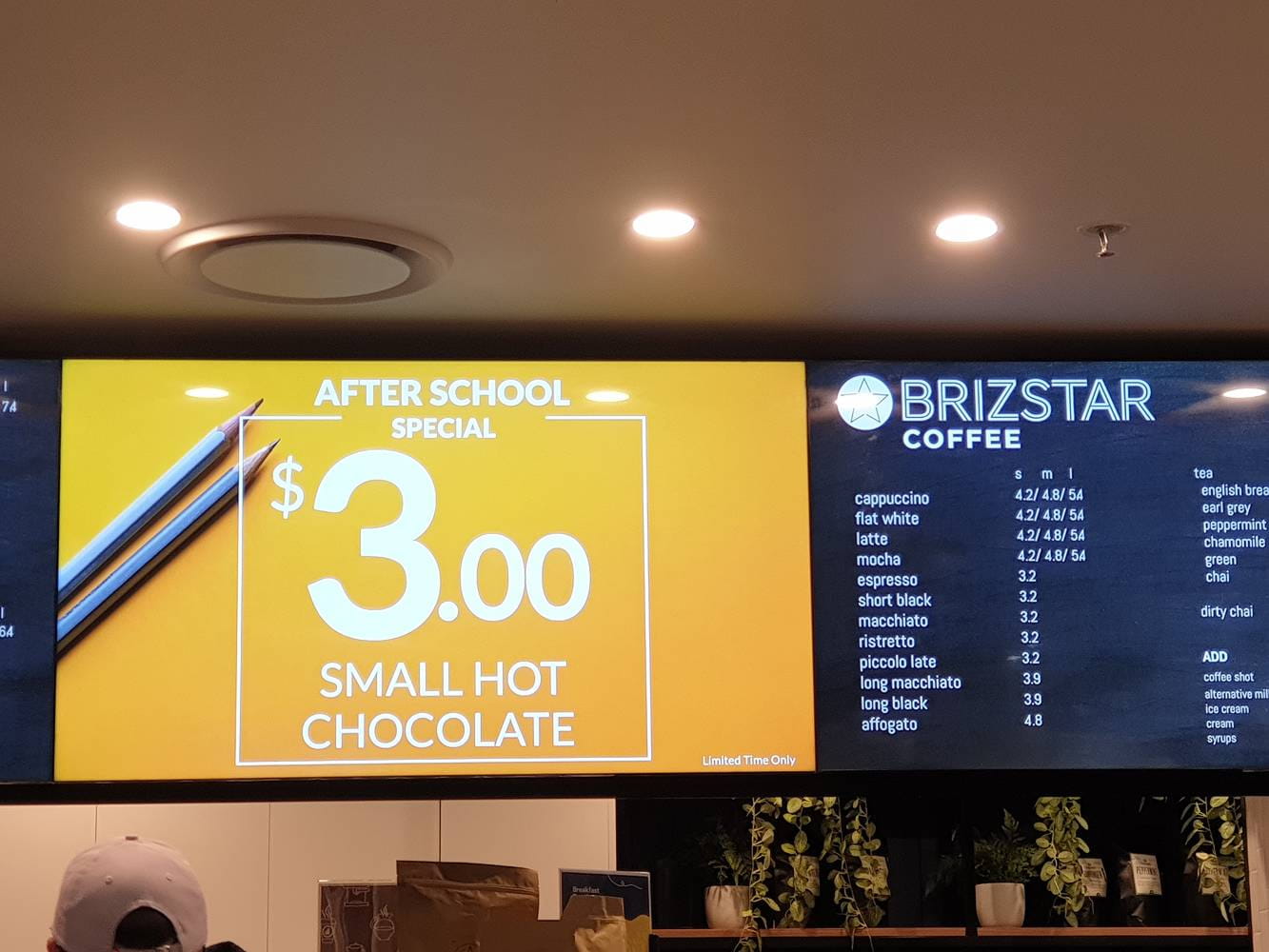
One reason hotels and motels are good candidates for digital signage is that the same screens that reduce friction can also strengthen revenue. In hospitality, there is constant overlap between operational communication and commercial opportunity. A screen that tells guests where the restaurant is can also tell them what time happy hour starts. A lobby message about the pool can also mention spa availability. A function display can promote an evening bar special once the daytime conference finishes. This is not about turning the property into an advertising tunnel. It is about using timely information to surface services guests may genuinely want.
Amenities are the most obvious example. Hotel lobby display guidance recommends showing guests the location and operating hours of facilities such as pools, restaurants, breakfast service and retail points. Another hotel signage guide specifically says digital signs can promote services like pools, spas and restaurants with hours and access instructions so guests can make better use of what is on offer. This is useful for guest experience, but it is also useful commercially because an amenity no guest knows about cannot contribute much to satisfaction or spend.
Upsell content works best when it appears at the right moment. One hospitality signage article describes digital placement as being strongest at the “point of hunger” or “point of boredom”, such as near elevator banks or other waiting points, where a well-timed bar or restaurant message can lift on-property revenue. Another hospitality technology article says dynamic content helps hotels promote amenities, events and local attractions in ways that drive both engagement and revenue. The Hotels & Motels page on Blink Digital makes the same practical point from a hotel-operator angle, suggesting that targeted content like restaurant specials, promotions and event greetings can keep guests engaged and encourage them to spend more on-site.
Food and beverage is another strong use case. A lobby or restaurant-adjacent screen can show breakfast hours in the morning, dining specials later in the day, and bar promotions in the evening. Hospitality signage guidance notes that digital menu boards make it much easier to change menus, price updates, stock-dependent items and specials without reprinting boards, which is particularly useful in high-turnover areas such as hotel cafés, breakfast spaces and bars. For accommodation operators, that means the signage can stay aligned with the actual operation of the venue instead of lagging behind it.
Events and meetings deserve their own signage logic. Hotels that host weddings, functions, conferences and corporate events have a constant challenge around room assignments, last-minute changes and attendee navigation. A hotel communications guide recommends displaying current and upcoming schedules in lobbies, near lifts and outside conference rooms, and specifically says instant updates reduce the number of lost attendees wandering the property and cut staff interruptions. Separate Australian guidance also recommends digital signs for real-time updates around event times and locations, particularly when changes arise.
Local attraction messaging is another area where hotels can do more than many currently do. Guidance on promoting local attractions in a hotel argues that guests value properties that help them make the most of their trip, and that useful local recommendations build trust, encourage repeat stays and can strengthen community relationships. It also points out that lobby displays and digital screens are strong tools for showing local attractions, weather updates and transport timetables. A separate hotel signage guide recommends showcasing local attractions, travel times, festivals, parking and public transport alongside real-time alerts for traffic delays, weather warnings and transport disruptions.
That makes digital signage more than a branding surface. It becomes part of the hotel’s service language. For operators who want to decide what belongs on the roadside sign, what belongs in the lobby, and what belongs near the restaurant or conference floor, Blink Digital can help build a practical content hierarchy instead of a cluttered all-in-one loop. That is often the difference between a sign guests actually use and one they stop noticing after five minutes.
Time-of-day scheduling is one of the simplest ways to make hotel signage more useful
A digital sign becomes much more effective when it changes with the rhythm of the day. One recent hotel operations guide describes time-of-day scheduling as one of the most underused features in hotel signage and gives a simple example: the same screen can show buffet breakfast information in the morning, a pool offer at midday and the evening restaurant menu later on. Another hospitality technology article makes a similar point, noting that daytime content can promote lunch or daytime amenities while evening content can switch to entertainment, shuttle updates, traffic information and other relevant night-time messages.
In the morning, guests are usually task-focused. They want breakfast times, check-out reminders, luggage-holding information, transport guidance, perhaps weather and local time. Lobby display guidance already recommends showing check-in and check-out times, transportation options and amenity hours at a glance, while broader hotel signage guidance suggests weather and commuter information as genuinely helpful lobby content. A morning screen should therefore feel practical and calm, not promotional for the sake of it.
In the middle of the day, the communication job often changes. This is when local attractions, transport timetables, spa availability, pool hours, meeting reminders and community events become more relevant. It is also a good point to promote on-site dining for lunch or afternoon drinks, especially in hotels with leisure facilities or hybrid business-leisure guests. Industry guidance on attraction promotion specifically recommends digital lobby tools for nearby experiences, weather and transport, while hotel signage sources point to local attractions, event schedules and useful area information as strong content categories.
In the evening, guest needs shift again. Restaurant and bar updates become more compelling. Guests may need help with parking after dark, late-night check-in, shuttle or transport messages, conference session directions, live music nights or partner venue offers. Some properties will use this window for event-heavy content, especially if they host functions, weddings or public entertainment. Others will use it to simplify late arrival instructions. The point is not that every hotel should run the same schedule. It is that content should follow guest behaviour rather than sit frozen throughout the day.
This is where motel digital signs Australia can be especially effective, because smaller roadside properties often need to say very different things at 8:00 am than they do at 10:00 pm. Morning might focus on breakfast, check-out and local road conditions. Evening might focus on vacancies, late check-in and meal options. The technology advantage is not just brightness; it is relevance. A screen that changes by time of day does a better job with the same footprint because it matches the message to the moment.
Operationally, this also makes life easier for hotel teams. Centralised scheduling means recurring content can be programmed in advance, while urgent items such as safety alerts, transport disruptions or event changes can still be pushed live when needed. Guidance for multi-property and multi-screen environments recommends central management precisely because it keeps brand standards consistent while allowing local adaptation where necessary. That is relevant not only to hotel chains, but also to operators with multiple wings, venues or mixed-use spaces on one site.
The strongest hotel signage feels welcoming, readable and calm rather than crowded
The risk with digital signage is not that hotels say too little. It is usually that they try to say too much. Generic best-practice guidance for digital signage warns against too much text, small fonts, low contrast, cluttered layouts, irrelevant content, excessive motion and poor timing, because each of these problems makes messages harder to scan in real conditions. Roadside sign guidance makes the same point in broader terms: a sign only works if it can be seen and understood in time for people to respond.
In hotel and motel settings, that means every display should have a job. The roadside LED should not try to act like a brochure. The driveway sign should not be loaded with sales copy. A reception display should not look like a random ad loop. A wayfinding screen should privilege direction over decoration. An event screen should focus on time, room and change updates. Once each sign has a role, the content becomes easier to manage and the guest experience becomes easier to read. Guidance for hotels consistently recommends placing screens at natural decision points and keeping the information on them relevant to those points.
Consistency matters just as much as clarity. Australian hotel signage guidance advises properties to align signage with brand guidelines so the whole environment feels integrated rather than pieced together by different teams over time. Hotel digital signage guidance for multi-property operations takes the same position from a technical angle, recommending centralised content management so local teams can tailor property-specific information without diluting brand consistency. In other words, the sign should feel like part of the hotel’s voice, not a separate technology layer sitting awkwardly on top of it.
Safety and emergency information should follow the same principle. Good hotel signage needs to be warm, but also ready to pivot. One hotel signage guide recommends that digital networks be able to override normal content immediately during severe weather, security incidents or evacuation situations, while also using that same capability during normal operations for non-intrusive safety reminders such as exit locations and contact numbers. Another widely read hotel signage article includes emergency notices among its core hotel screen uses. That matters because guests trust clear properties, and trust matters in hospitality.
For operators who want to get the tone, placement and message hierarchy right, Blink Digital can help with more than just display supply. The company already presents itself as a national production, installation and management partner across digital signage, general signage and billboards, and its Hotel & Motel LED page specifically speaks to guest experience, promotions and roadside visibility. That makes it well suited to helping accommodation businesses think about signage as a full guest journey system rather than a one-screen purchase.
Contact Blink Digital for hotel and motel LED signage that works across the full guest journey
The most effective hotel and motel signage does not stop at “rooms available” or “reception this way”, even though those are still important. It guides people from roadside to driveway, from entrance to front desk, from lobby to lift, from conference floor to restaurant, and from arrival to a more confident stay. It supports guest experience by reducing uncertainty, and it supports occupancy and on-site spend by putting the right message in the right place at the right time. That is why the most valuable hotel LED signage ideas are usually the most practical ones: vacancy and visibility where they matter, check-in help where it is needed, amenity information where it reduces questions, and content scheduling that reflects how guests actually move through the day.
If your property needs better roadside visibility, clearer arrival guidance, more useful reception messaging or a stronger plan for guest communication signage, Blink Digital can help. The company’s Hotels & Motels page highlights tailored LED signage for hospitality businesses in Brisbane and across Australia, and its contact page invites operators to get in touch to discuss projects, request a quote or learn more about custom solutions. You can contact Blink Digital by phone on 0424 505 990 or by email at info@blinkdigital.com.au during its listed opening hours of 7 AM to 5 PM.